
The Gut-Brain Connection: How Gut Inflammation, Dysbiosis, and SIBO Influence Anxiety, Depression, Brain Fog, and Emotional Dysregulation
Emotional Symptoms Are Often Physiological, Not Purely Psychological
Many people navigating anxiety, depression, burnout, emotional dysregulation, chronic fatigue, cognitive fog, or persistent nervous system overwhelm may spend years searching for answers almost exclusively through the lens of psychology, mindset, trauma, or neurotransmitter imbalance within the brain itself. While all of those components are absolutely key to investigate, modern research continues validating how emotional and cognitive symptoms are also profoundly shaped by physiology, inflammation, immune signaling, microbial balance, nervous system state, and overall gastrointestinal balance and integrity.
The human body doesn't function in isolated systems. Our brain, nervous system, immune system, endocrine system, microbiome, digestive tract, and stress response systems are in continuous bidirectional communication with one another, influencing mood, cognition, inflammation, energy production, emotional regulation, stress resilience, and even our perception of experiences moment by moment beneath our conscious awareness.
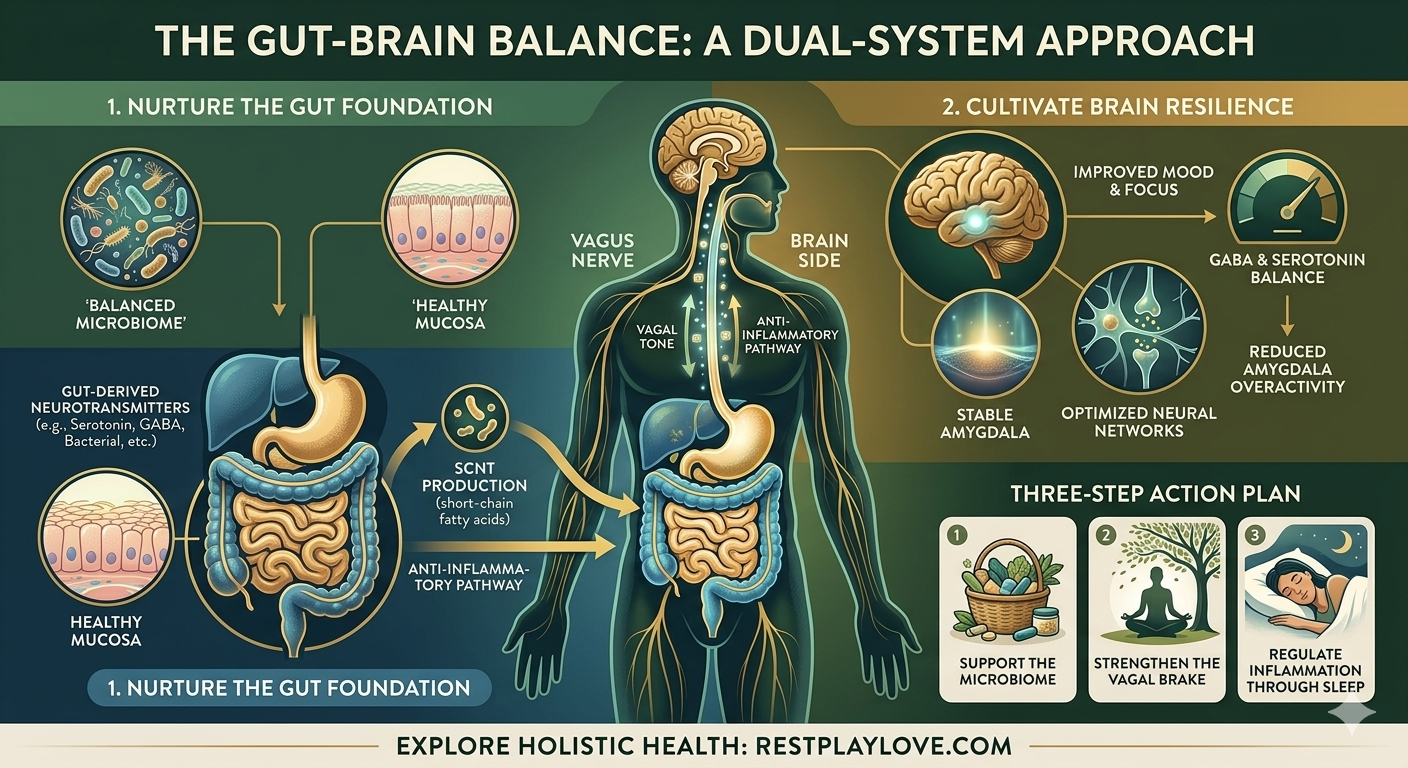
One of the most important emerging areas of research helping explain the relationship between gut function and brain function is the gut-brain axis, which describes the complex communication network connecting the gastrointestinal tract and central nervous system through the vagus nerve, immune signaling pathways, hormones, neurotransmitters, microbial metabolites, inflammatory cytokines, and stress physiology.
What becomes increasingly clear through this research is that many people are living with levels of chronic inflammation, nervous system activation, microbial imbalance, metabolic dysfunction, digestive disruption, and physiological depletion that continuously influence subjective emotional experiences from the bottom up, often long before standard blood panels, imaging, or psychiatric evaluation can identify a discrete pathology, imbalance, or structural abnormality.
The Gut-Brain Axis and the Physiology of Emotional Regulation
In addition to processing food, the digestive system is deeply involved in immune regulation, nervous system signaling, inflammation control, neurotransmitter synthesis, hormonal communication, and the body's broader stress response systems.
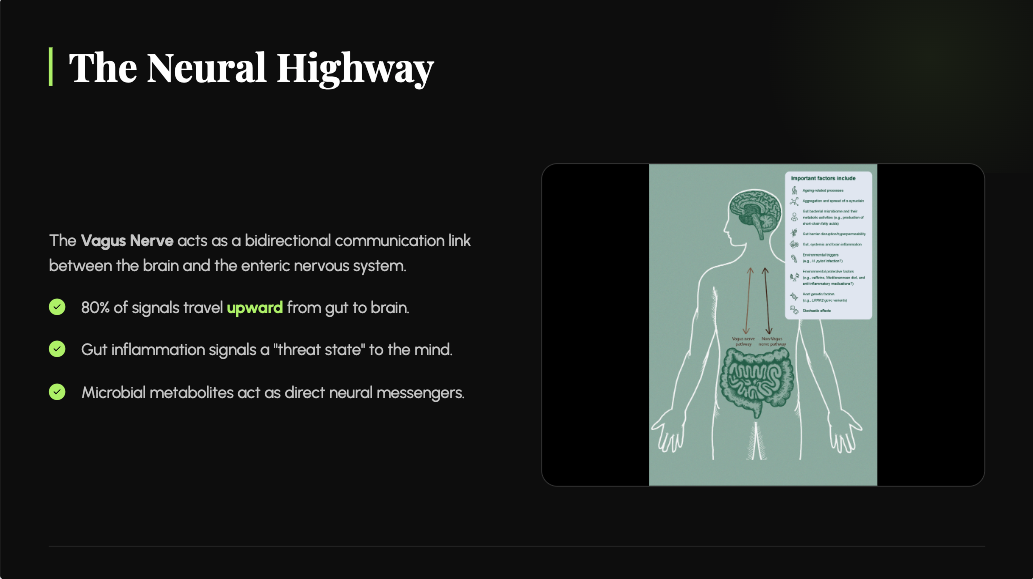
One of the primary communication pathways connecting our gut and brain is the vagus nerve, the tenth cranial nerve and the primary nerve of the parasympathetic nervous system, comprising roughly 80 percent of its total fiber output. The vagus nerve extends from our brainstem through our throat, heart, lungs, diaphragm, and digestive organs, carrying substantial amounts of information bidirectionally between our body and our brain continuously throughout the day.
Importantly, roughly 80 to 90 percent of vagal signaling travels afferently, meaning upward from the body to the brain (bottom-up) rather than downward from the brain to the body (top-down). Our brain is continuously receiving information about the internal physiological state of our body and organizing emotional tone, stress sensitivity, cognitive flexibility, perception, and behavioral responses around those incoming signals.
This is part of why chronic digestive dysfunction and inflammation can feel so emotionally destabilizing and even overwhelming. When the gastrointestinal environment becomes inflamed or dysregulated, inflammatory signaling begins influencing our nervous system, immune system, stress hormone production, neurotransmitter metabolism, mitochondrial function, and the brain regions involved in emotional regulation and threat detection.
For many people, chronic inflammation, particularly within the gastrointestinal tract where the vagus nerve provides its densest peripheral innervation, may contribute to physiological states that are later experienced subjectively as anxiety, hypervigilance, emotional fragility, exhaustion, agitation, cognitive fog, or persistent autonomic dysregulation.
The Microbiome and Its Role in Brain and Nervous System Health
The gut microbiome consists of trillions of microorganisms living primarily throughout the large intestine, many of which play important roles in digestion, immune modulation, nutrient metabolism, inflammation regulation, and nervous system functioning.
These microbes help ferment fibers that the human body can’t break down independently, producing compounds known as short-chain fatty acids, including butyrate and acetate. These compounds help support the integrity of the intestinal lining, influence immune signaling, regulate inflammation, and contribute to the health of the gut barrier itself.
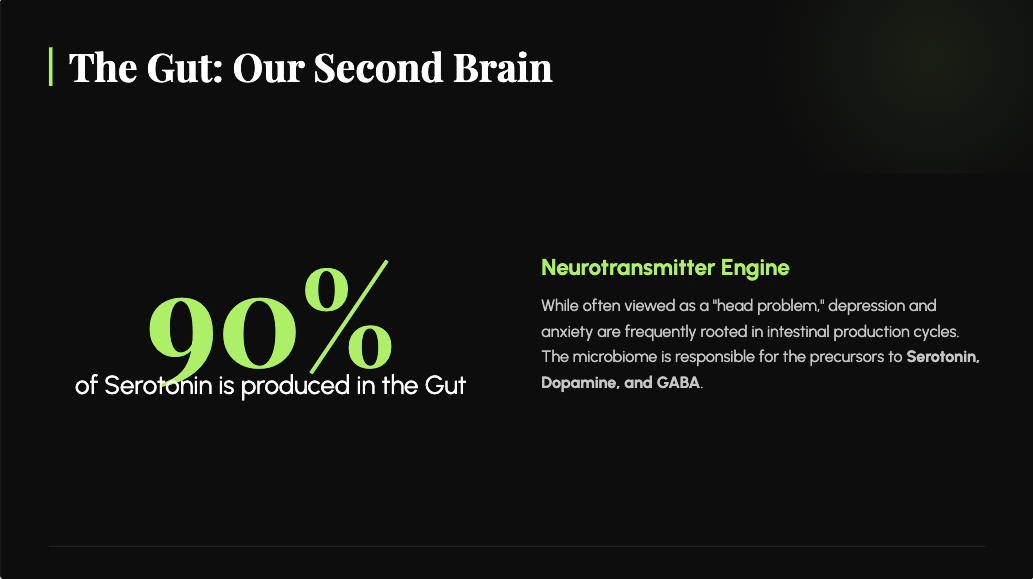
The microbiome also plays an important role in neurotransmitter and neurochemical activity. While statements such as “90% of serotonin is produced in the gut” are technically accurate, the relationship is more nuanced than many social media conversations make it appear. The gut doesn’t simply manufacture mood directly, but rather influences broader physiological systems that affect nervous system regulation, inflammation, emotional resilience, stress signaling, and cognitive functioning indirectly through multiple interconnected pathways.
When microbial balance becomes disrupted, many of these systems often begin shifting alongside it.
Dysbiosis and the Physiological Impact of Modern Life
Many aspects of modern living continuously work against microbial diversity, digestive resilience, and nervous system regulation in ways that remain largely outside mainstream health conversation and are rarely communicated through conventional medical or psychological frameworks.
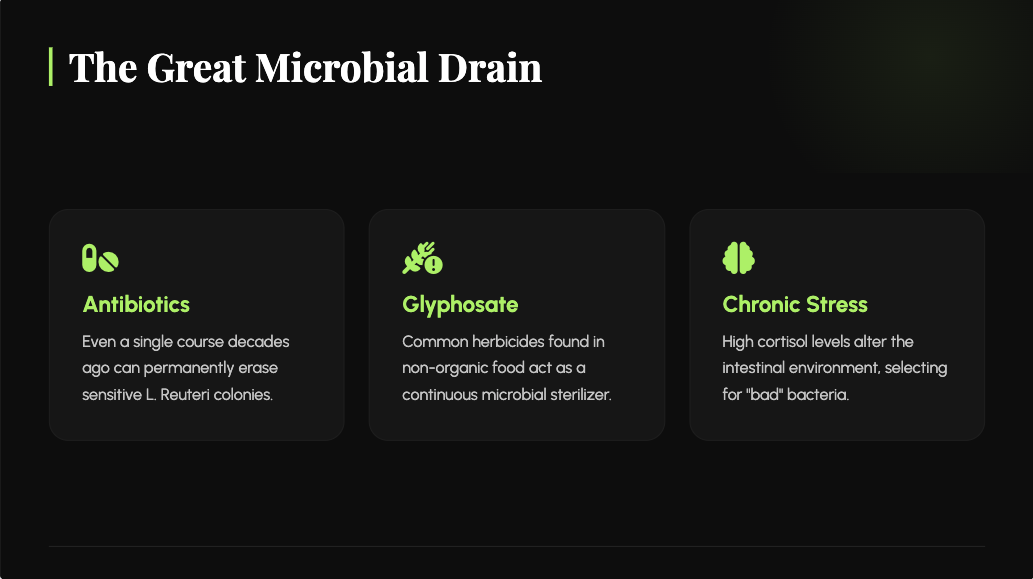
Repeated antibiotic exposure, ultra-processed diets, chronic psychological stress, sleep disruption, environmental toxins, alcohol overconsumption, low fiber intake, sedentary behavior, chronic sympathetic nervous system activation, and highly dysregulated modern lifestyles can all influence the composition and stability of our microbiome over time.
Stress physiology itself has a profound effect on digestion. When the nervous system remains chronically organized around survival, mobilization, urgency, hypervigilance, or overwhelm, the vagus nerve's capacity to maintain parasympathetic tone, which is the physiological state under which digestion, immune regulation, and cellular repair are able to function optimally, becomes progressively compromised, and digestive enzyme production, stomach acid output, gut motility, immune activity, microbial balance, intestinal permeability, and nutrient absorption can all become impaired.
This is one reason digestive symptoms and emotional dysregulation so often occur hand in hand. Our nervous system and digestive system are deeply intertwined, and prolonged stress physiology continuously influences both.
For some people, the body experiences chronic inflammatory load physiologically long before those shifts are consciously recognized and understood cognitively.
SIBO, Endotoxemia, and Systemic Inflammation
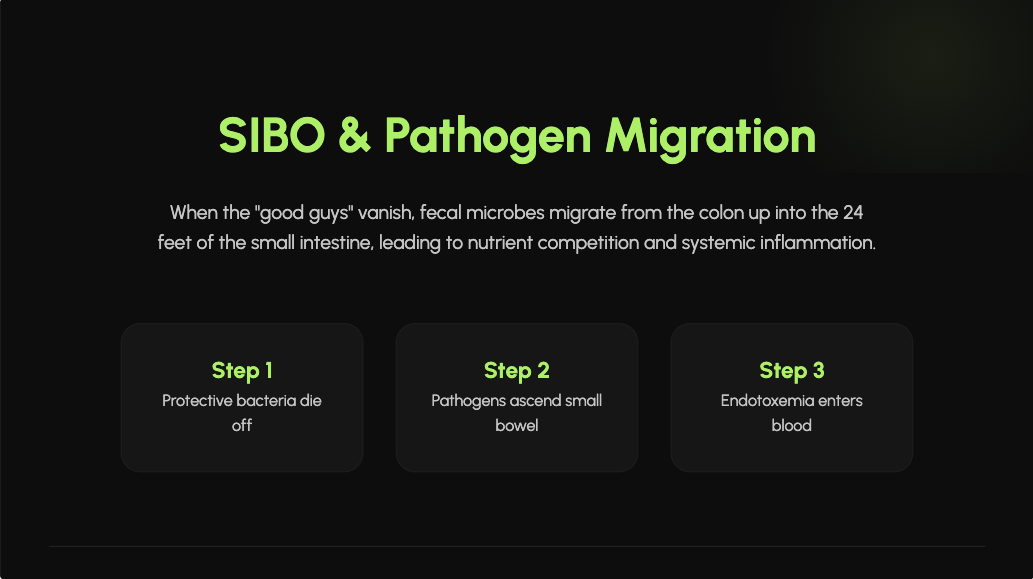
For some individuals, microbial imbalance may contribute to a condition known as Small Intestinal Bacterial Overgrowth, or SIBO, where harmful bacteria begin colonizing portions of the small intestine in excessive amounts.
Unlike the large intestine, the small intestine is not designed to host dense bacterial populations. When overgrowth occurs, bacteria ferment carbohydrates prematurely, producing gases and inflammatory byproducts that can contribute to bloating, reflux, constipation, diarrhea, histamine issues, fatigue, nutrient malabsorption, abdominal discomfort, and cognitive fog.
Researchers are also continuing to explore how bacterial endotoxins, particularly lipopolysaccharides (LPS) from gram-negative bacteria, may contribute to systemic inflammation when intestinal permeability becomes compromised. This process, sometimes referred to as endotoxemia, is being studied in relation to neuroinflammation, insulin resistance, metabolic dysfunction, immune dysregulation, fatigue, and mood disorders.
For the majority of people, gut dysfunction, including chronic inflammation, microbial imbalance, intestinal permeability, and impaired vagal tone, is a primary and frequently unaddressed driver of emotional and psychological symptoms. This doesn’t reduce emotional suffering to digestive physiology alone, and human health remains multifactorial and deeply individualized. But when inflammation is reduced, microbial diversity is restored, intestinal permeability is addressed, and vagal tone improves, the downstream effects on mood, cognition, anxiety, energy production, and nervous system regulation are significant. They are consistent, measurable, and increasingly central to how leading clinicians and researchers are understanding and treating the full spectrum of emotional and psychological symptoms.
Neuroinflammation and Emotional Dysregulation
One of the most important conversations emerging within neuroscience and psychoneuroimmunology is the relationship between systemic inflammation and mental health.
Inflammatory cytokines directly influence serotonin and dopamine metabolism, mitochondrial energy production, HPA axis activity, sleep architecture, nervous system sensitization, cognitive flexibility, and emotional regulation capacity. Many individuals living with chronic inflammatory conditions describe feeling emotionally reactive, cognitively slowed, persistently exhausted, hypervigilant, anxious, emotionally numb, or unable to access the same degree of resilience and regulation they previously experienced.
For many nervous systems, chronic inflammation produces a persistent background state of physiological threat signaling that alters how both interoceptive and external stimuli are interpreted and processed, independent of psychological history or circumstance.
Inflammation is one significant contributor to anxiety and depression alongside trauma, attachment wounds, grief, chronic stress, isolation, socioeconomic stressors, environmental conditions, and lived experience, all of which influence neurotransmitter activity, autonomic regulation, hormonal output, and the brain's capacity for emotional processing.
Because physiology directly shapes our nervous system's capacity to navigate emotional experience, addressing inflammation, digestive dysfunction, sleep disruption, autonomic dysregulation, and metabolic health together consistently produces more meaningful and durable shifts than approaching emotional symptoms independently of the body.
Lactobacillus Reuteri and the Missing Microbes Crisis
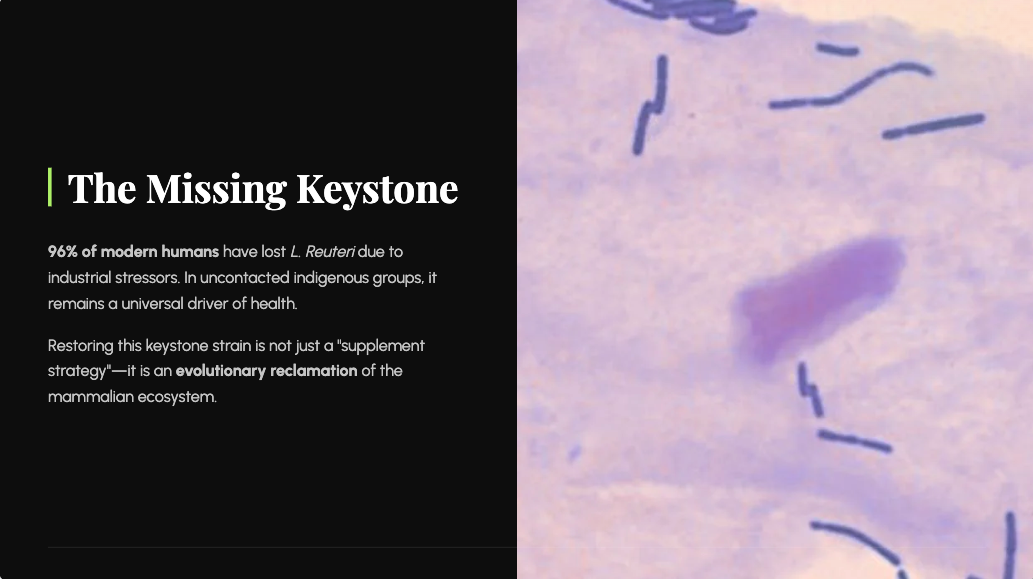
One organism has received growing attention in recent years, largely due to its absence. Lactobacillus Reuteri, a commensal bacteria investigated extensively by cardiologist Dr. William Davis in his clinical work and expanded upon in his book Super Gut, is now understood to have been a near-universal constituent of the human and mammalian microbiome for most of human history and is today largely absent from the gut of most modern adults.
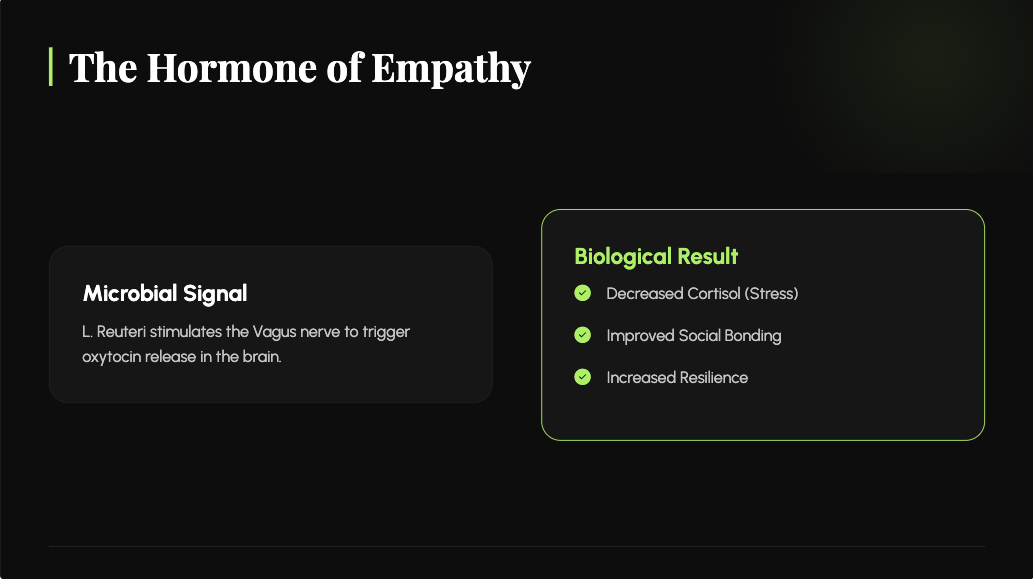
Specific strains of L. reuteri, particularly DSM 17938 and ATCC PTA 6475, have demonstrated capacity to influence pro-inflammatory cytokine suppression, intestinal barrier integrity, endogenous oxytocin production via vagal afferent signaling, antimicrobial defense, sleep architecture, immune modulation, and HPA axis activity through gut-brain axis pathways. Oxytocin, the neuropeptide centrally involved in social bonding, trust, emotional safety, and stress recovery, appears to be upregulated through this vagal signaling pathway, suggesting that L. reuteri depletion may have implications that extend well beyond digestive function into relational neurobiology and emotional regulation.
Unlike most commercially available probiotic strains that colonize primarily within the large intestine, certain strains of L. reuteri demonstrate survivability throughout portions of the small intestine, a region where microbial depletion is increasingly recognized as clinically significant. L. reuteri also produces antimicrobial peptides called reuterin and bacteriocins, which selectively suppress pathogenic and opportunistic bacterial overgrowth while supporting broader microbial homeostasis.
At the same time, microbiome science is still evolving rapidly, and reducing recovery to any single probiotic strain, supplement, or intervention in isolation misrepresents the complexity of what healing actually requires. The microbiome is an extraordinarily complex ecosystem influenced continuously by stress physiology, sleep architecture, dietary composition, autonomic nervous system state, environmental exposures, metabolic function, systemic inflammation, movement, relational context, and overall lifestyle patterns.
Fermentation Duration, Bacterial Concentration, and Physiological Impact
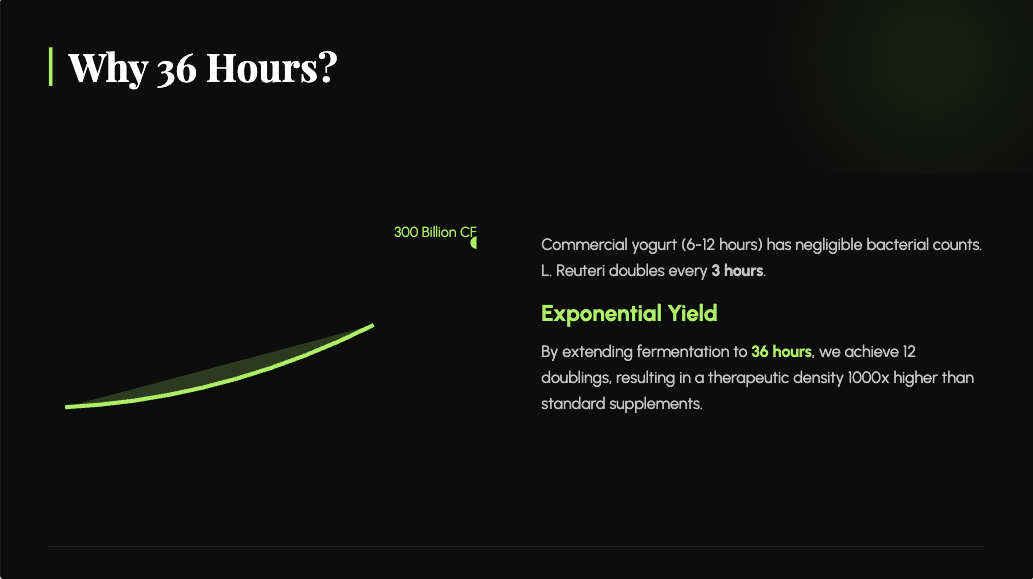
One of the most clinically relevant distinctions between fermented foods and standard commercial probiotic supplements is bacterial concentration. Most commercially available probiotic capsules deliver between one and fifty billion CFUs per dose, a quantity that, while meaningful, may be insufficient to achieve sustained colonization or measurable physiological impact in a significantly depleted microbiome. Prolonged fermentation, by contrast, allows bacterial populations to complete multiple replication cycles, producing concentrations that can reach several hundred billion CFUs per serving depending on fermentation conditions, substrate, starter culture viability, and temperature consistency.
The 36-hour fermentation protocol developed by Dr. William Davis was designed specifically to culture high concentrations of Lactobacillus reuteri strains DSM 17938 and ATCC PTA 6475 under low-temperature conditions that favor bacterial proliferation while minimizing the production of excessive acidity that can compromise viability. The extended fermentation window allows the organisms to reach concentrations that standard yogurt production cycles, which typically run between four and eight hours, don’t achieve.
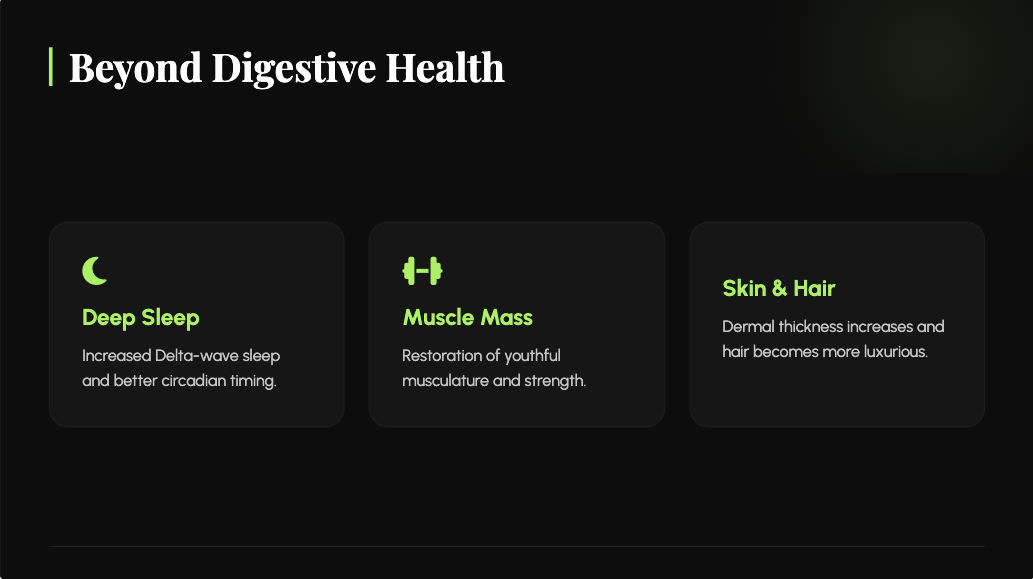
Many individuals experimenting with this protocol report improvements in digestive comfort, bloating, cravings, sleep architecture, mood stability, skin integrity, muscle growth, and autonomic regulation. These responses are consistent with the known downstream effects of L. reuteri on cytokine activity, oxytocin signaling, intestinal barrier function, and vagal tone, though individual outcomes vary considerably depending on baseline microbiome composition, systemic inflammation, diet, stress physiology, and overall metabolic health.
The 36-Hour L. Reuteri Yogurt Protocol
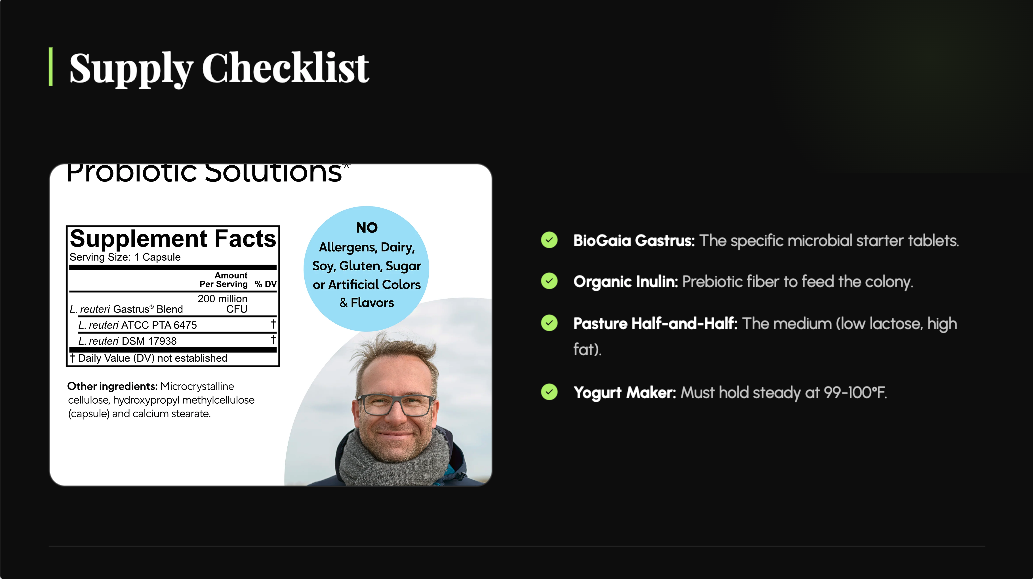
Required Supplies
·1 capsule of Oxiceutics MyReuteri
·2 tablespoons organic inulin powder, which serves as a prebiotic substrate that supports bacterial proliferation during fermentation
·1 quart organic pasture-raised half-and-half, which provides the fat and protein matrix that supports bacterial viability and yields a more clinically concentrated end product than low-fat alternatives
·A yogurt maker capable of maintaining a stable temperature of 99 degrees Fahrenheit throughout the full fermentation window, as temperature fluctuation can compromise bacterial replication and final concentration
Where to Source the Supplies
The links below are affiliate links, which means I receive a small commission if you choose to purchase through them. I only share products and tools I’ve personally explored and found meaningful enough to include in my work and writing.
Oxiceutics MyReuteri: [link]
Organic inulin powder: Available through most natural health retailers or online suppliers. [link]
·Organic pasture-raised half-and-half: Available at most natural grocery stores including Natural Grocers, Whole Foods, Sprouts, or through local farm delivery services. [link]
·Yogurt maker with temperature control: The Luvele Pure Plus Yogurt Maker is the most commonly recommended option for this protocol given its precise temperature stability and capacity for extended fermentation cycles. [link]
·Super Gut by Dr. William Davis: The clinical framework and fermentation research underlying much of this protocol is documented extensively in Dr. Davis's book, which remains one of the most detailed and accessible resources on microbiome restoration currently available. [link]

Preparation Steps
Open one capsule of Oxiceutics MyReuteri probiotics into a clean mixing bowl
Add 1 tablespoon of inulin powder and approximately two tablespoons of half-and-half, stirring thoroughly until fully incorporated into a smooth, lump-free paste. This initial step ensures even distribution of the bacterial culture before introducing the full liquid volume.
Slowly whisk in the remaining half-and-half until the mixture is evenly incorporated and homogenous throughout the liquid.
Pour the mixture into thoroughly cleaned fermentation-safe containers to avoid any risk of contamination, and place them into the yogurt maker.
Fill the yogurt maker's water reservoir to a level matching the height of the liquid inside the fermentation containers, which ensures consistent heat distribution throughout the full fermentation period.
Set the yogurt maker to 99°F for 36 hours without disturbing the fermentation process throughout the full 36 hours. Agitating or opening the fermentation environment during this window can disrupt bacterial replication, lead to potential contamination, and reduce final CFU concentration.
Once fermentation is complete, refrigerate for a minimum of several hours to allow the yogurt to fully set and thicken before consuming.
Many individuals consume approximately half a cup daily, often in the evening given L. reuteri's documented influence on sleep architecture and nocturnal oxytocin and growth hormone secretion patterns.
Supporting the Gut-Brain Axis Holistically Across Multiple Systems
Healing is rarely the result of a single supplement, food, protocol, or intervention working in isolation. Our microbiome and nervous system are influenced continuously by sleep architecture, stress physiology, trauma exposure, autonomic safety, blood sugar regulation, systemic inflammatory load, environmental inputs, relational context, sunlight exposure, movement, rest, nutrient status, digestive function, and cumulative lifestyle conditions.
Physiological recovery occurs most consistently when our body receives sustained inputs associated with safety, nourishment, autonomic regulation, cellular repair, and reduced inflammatory burden across multiple systems simultaneously. This is because the gut, nervous system, immune system, endocrine system, and mitochondrial function are not independent targets but interdependent variables that respond to the same underlying conditions.
This is why nervous system regulation, sleep optimization, blood sugar stability, anti-inflammatory nutrition, digestive restoration, emotional processing, stress reduction, and microbial rehabilitation tend to produce compounding effects when pursued together rather than sequentially or in isolation.
Closing Reflections
Many people living with stress, anxiety, depression, burnout, emotional dysregulation, chronic fatigue, digestive symptoms, or persistent cognitive impairment are carrying levels of systemic inflammation, autonomic dysregulation, and microbial disruption that have accumulated beneath the threshold of conventional diagnostic detection for years.
What presents emotionally is often not arising from cognition, mindset, or psychological history alone, but from a nervous system that has been continuously adapting to chronic inflammatory load, HPA axis dysregulation, microbial depletion, nutritional insufficiency, environmental burden, and prolonged sympathetic activation in ways that reshape perception, emotional tone, and physiological baseline over time.
Recovery frequently becomes possible when the framing shifts from viewing emotional symptoms as purely psychological phenomena to recognizing how profoundly gut function, immune activity, mitochondrial output, microbial composition, sleep architecture, and autonomic state shape mood, cognition, stress tolerance, emotional resilience, and the nervous system's capacity to access safety, flexibility, and regulation.
The gut, brain, immune system, microbiome, and autonomic nervous system exist in continuous bidirectional communication, which is why interventions that simultaneously address digestive restoration, inflammatory reduction, microbial rehabilitation, sleep quality, metabolic function, and autonomic regulation consistently produce more meaningful and durable outcomes than targeting any single system in isolation.
Learn more about working with the gut-brain axis and nervous system health: Gentle Offerings
Join the community: Instagram @beautifulhumanhealing
Free Meditations on YouTube: @Dexterandalessandrina
