The Somatic and Structural Power of Whole-Body Vibration: A Guide to Systemic Regulation, Bone Density, and Trauma Release
When exploring therapeutic modalities for systemic health, we frequently separate the mind from the body. We treat bone loss with supplements, inflammation with dietary shifts, and trauma with cognitive or emotional processing. Yet, the nervous system and the musculoskeletal system are fundamentally interconnected. How we hold tension, how our bones adapt to mechanical load, and how our bodies process stored survival energy (the physical remnants of a fight-or-flight response) are all parts of a singular, integrated biological conversation.
Whole-Body Vibration (WBV) therapy is a modality that bridges this gap, operating simultaneously as a profound physical optimization tool and a deeply grounding somatic intervention. However, as this technology populates commercial gyms and wellness spaces, understanding the precise biophysics (how physical forces like movement and frequency interact with living tissue) of vibration becomes essential so that we support our wellness goals rather than unknowingly undermine them. Not all vibration is therapeutic, and the distinction between a regulated, health-promoting frequency and a chaotic, dysregulating force is critical for your physical and neurological safety.
Educational Notice: The following exploration integrates peer-reviewed musculoskeletal research and neurobiological principles for educational purposes. It’s not intended to replace personalized medical diagnosis, advice, or treatment. If you're navigating acute injury, complex cardiovascular conditions, or active trauma tracking (the process of mindfully monitoring how stress and trauma show up physically in your system), remember to honor your body's innate pacing and consult with a supportive, and preferably, trauma informed healthcare professional.
The Neurobiology of the Shake: Trauma, PTSD, and the Stress Response
To understand how mechanical vibration interfaces with post-traumatic stress and trauma recovery, we must observe how the mammalian nervous system handles acute threat. In Waking the Tiger: Healing Trauma, Dr. Peter Levine, founder of Somatic Experiencing, notes that wild animals routinely experience life-threatening situations yet rarely exhibit symptoms of trauma.
When an animal escapes a predator, its body naturally moves into an involuntary, rhythmic shaking pattern. This neurogenic tremoring (a natural, involuntary shaking reflex generated by the nervous system) discharges the massive surge of sympathetic survival energy (the stress response that accelerates heart rate and primes muscles for action through the release of hormones like adrenaline and cortisol) mobilized during the fight-or-flight response.
Human biology carries this exact same regulatory mechanism. However, our highly developed prefrontal cortex frequently overrides it. When we suppress the natural impulse to shake, tremble, or cry after an overwhelming event, that survival energy remains bound within our neuromuscular architecture (the interconnected network of nerves and muscles that controls posture and movement). The nervous system gets stuck in an incomplete stress response loop, leading to chronic hypervigilance, muscle bracing, and the physiological patterns of PTSD.
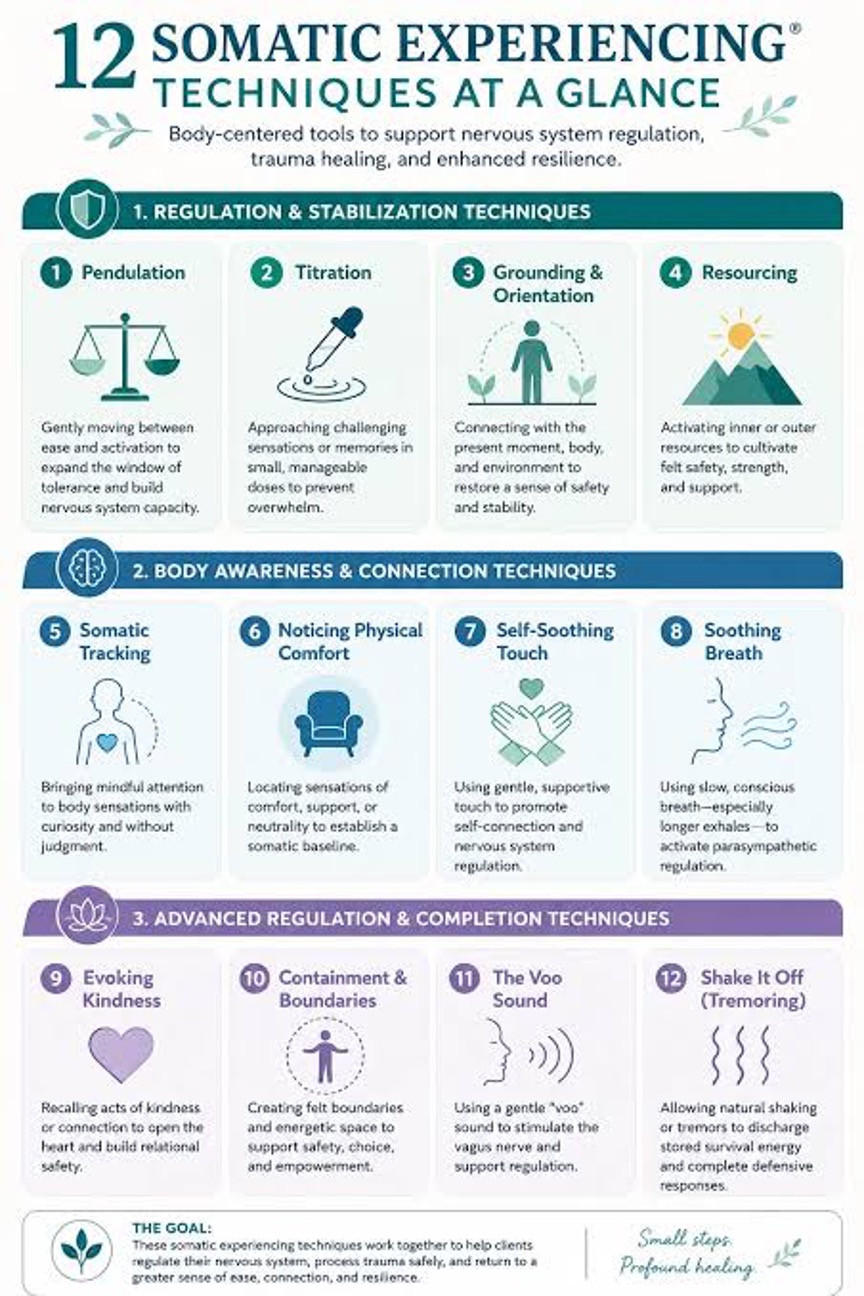
Somatic Experiencing and the Tremor Response. Source: ICANotes
Completing the Stress Loop with Whole-Body Vibration
Standing on a properly engineered vibration plate introduces rapid, repetitive mechanical proprioceptive input (the body's internal awareness of its position and movement in space) through the soles of the feet. This localized physical input gently evokes the body's natural tonic vibration reflex (an automatic, microscopic muscle contraction triggered by rapid vibration), prompting micro-contractions in the skeletal muscles.
For an over-activated or frozen nervous system, this rhythmic, predictable mechanical stimulation offers an accessible entryway into physical release:
Bypassing Cognitive Bracing: When trauma is held deeply in the tissues as a dorsal vagal shutdown (the body's protective 'freeze' or immobilization state) or severe sympathetic mobilization, traditional movement or direct interoceptive tracking (the practice of tuning inward to feel internal bodily sensations like heart rate or muscle tension) can feel overwhelming or inaccessible. The steady rhythm of a high-quality vibration plate provides an external, physical anchor.
Discharging Bound Survival Energy: The mechanical oscillation mimics and co-regulates with the body’s innate neurogenic tremors, safely inviting tight muscle groups - such as the psoas and pelvic floor - to soften and release their chronic holding patterns.
Restoring Ventral Vagal Safety: By providing strong, consistent sensory data to the brain's insula and salience network (the brain regions responsible for processing internal bodily feelings and filtering important sensory data), the vibration registers as a steady, grounding present-moment resource, allowing the body to complete the biological stress loop and drop into a settled, ventral vagal state (the nervous system's baseline of safety, connection, and deep rest).
Cellular Regeneration: Down-Regulating Chronic Inflammation, Gut Flora, and Butyrate
Chronic, systemic inflammation often acts as the silent driver behind both musculoskeletal degradation and neurological exhaustion. Whole-body vibration acts directly on the cellular, vascular, and digestive mechanisms that regulate the body's inflammatory baseline.
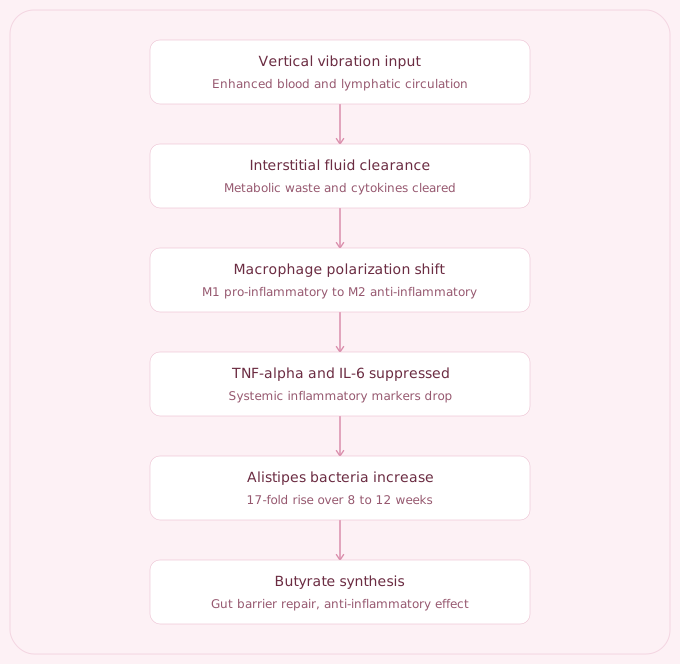
When the body is subjected to precise vertical vibration, the rapid, cyclical acceleration forces fluid through the interstitial spaces (the microscopic, fluid-filled gaps between cells and tissues) of your tissues. This mechanical shifting dramatically enhances blood circulation and lymphatic drainage, accelerating the clearance of metabolic waste products and pro-inflammatory cytokines (chemical signaling proteins that trigger immune system inflammation) from cellular environments.
Furthermore, recent research into the mechanobiology (the study of how physical forces change the behavior and health of cells) of whole-body vibration demonstrates its capacity to modulate immune system behavior. Clinical models indicate that low-intensity vibration can actively shift macrophage polarization (the functional transformation of specialized white blood cells) from the pro-inflammatory M1 phenotype to the anti-inflammatory M2 phenotype. This cellular shift reduces the systemic expression of inflammatory markers like Tumor Necrosis Factor-alpha (TNF-α) and Interleukin-6 (IL-6), helping to soothe joint discomfort, accelerate recovery, and support systemic metabolic health.'
The Microbiome Connection: Mechanical Vibration and Gut Flora
The systemic down-regulation of inflammation provided by whole=body vibration extends directly into the digestive tract, revealing a fascinating relationship between mechanical movement, cellular health, and the gut microbiome. Peer-reviewed research demonstrates that targeted vibration therapy has a profound regulatory effect on gut flora levels. In animal models, consistent vibration protocols triggered a massive 17-fold increase in Alistipes bacteria over an 8-to-12-week period. Alistipes is a crucial bacterial strain that naturally produces high levels of butyrate - a short-chain fatty acid renowned for its intensive anti-inflammatory and gut-barrier-repairing properties.
Butyrate is so therapeutically potent that physicians frequently prescribe it in drug form to treat severe inflammatory bowel diseases. By utilizing whole-body vibration, you're mechanically down-regulating inflammation by encouraging your own microbiome to synthesize this powerful, natural anti-inflammatory medicine from within.
Structural Integrity: Why Vibration Supports Bone Density More Than Anything Else
While the somatic and inflammatory benefits of vibration therapy are profound, its impact on bone density is perhaps its most mathematically and clinically verified achievement.
Bone is a dynamic, living tissue that operates under Wolff’s Law, which states that bone architecture adapts directly to the mechanical demands placed upon it. To stimulate osteoblasts (the specialized cells responsible for laying down new bone matrix), bone must experience physical deformation or load. Traditional high-impact exercises like running or jumping provide this load, but they can be highly stressful or dangerous for individuals already experiencing advanced bone loss or joint degradation.
Whole-body vibration solves this dilemma through a process called mechanotransduction (the biological process where cells convert physical pressure or movement into internal chemical signals).
The Critical Distinction: Slowing Loss vs. Actively Building Bone
When utilizing vibration therapy for skeletal health, understanding the difference in mechanical intensity is crucial.
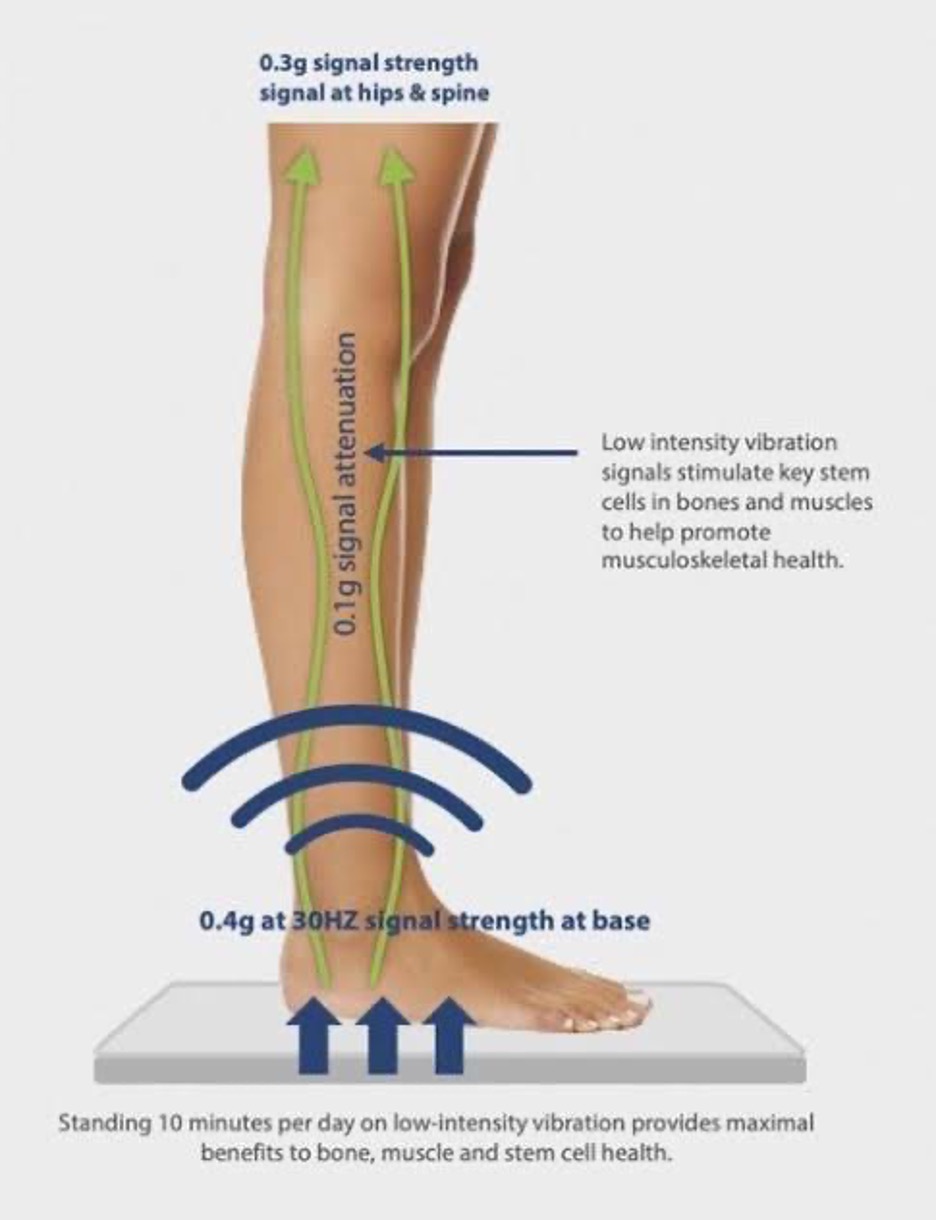
Low-intensity vibration (typically delivering a gentle 0.3 mm displacement and 0.3 G-force) is incredibly safe, making it an excellent, accessible option for elderly individuals in their 80s and 90s navigating severe osteoporosis. At this low displacement, the skeleton still experiences thousands of micro-load cycles every few minutes, generating a mild fluid shear stress (the frictional drag force created when fluid flows across cell membranes) within the microscopic channels of the bone tissue. However, while clinical research shows this gentle signal is sufficient to signal osteocytes (the mature bone cells that act as primary movement sensors) to slow down or potentially stop bone loss, it's not been shown to actively increase overall bone mineral density.
To go beyond preservation and actively build new bone, the skeletal system requires a stronger mechanical stimulus. To achieve this, you need a higher-amplitude vertical vibration delivering approximately 2 mm of displacement and 1 G-force. This stronger acceleration amplifies the fluid shear stress rushing past the osteocyte membranes, which dramatically down-regulates sclerostin (the biological brake protein that naturally blocks bone growth) and up-regulates osteoblast activity to lay down a new bone matrix. High-quality, robust vertical platforms like the Power 1000 deliver this precise, stronger mechanical load, which clinical studies have shown successfully builds bone density in postmenopausal women.
Mechanotransduction in Bone Tissue. Source: Exercises for Osteoporosis by Physical Therapist Margaret Martin
The Cellular Science: Osteocytes as Mechanosensors
While osteoblasts build bone and osteoclasts resorb it (the cells responsible for breaking down old bone tissue), osteocytes - which make up over 90% of living bone tissue - act as the primary mechanosensors. Osteocytes reside within microscopic cavities called lacunae and are interconnected through a vast network of tiny channels called canaliculi.
When a vertical vibration plate delivers controlled acceleration, it creates minor deformation of the mineralized bone matrix. This physical compression forces interstitial fluid (the specialized fluid surrounding cells) to flow rapidly through the canaliculi, rushing past the osteocyte membranes. This fluid movement generates fluid shear stress, which serves as the primary mechanical signal activating cellular regeneration.
This mechanical stimulus directly influences downstream bone remodeling markers - most notably sclerostin and osteocalcin, which play distinct, opposing roles in the process:
Sclerostin: Acts primarily as a "brake" on new bone formation. Mechanical stimulation suppresses sclerostin, effectively releasing the brake and allowing bone building to occur.
Osteocalcin: A small protein produced mainly by osteoblasts that reflects bone-forming activity. Much of it becomes incorporated directly into the bone matrix - interacting with calcium and hydroxyapatite to shape crystal organization and maturation - while a portion enters the bloodstream as a measurable marker of overall bone formation and turnover.
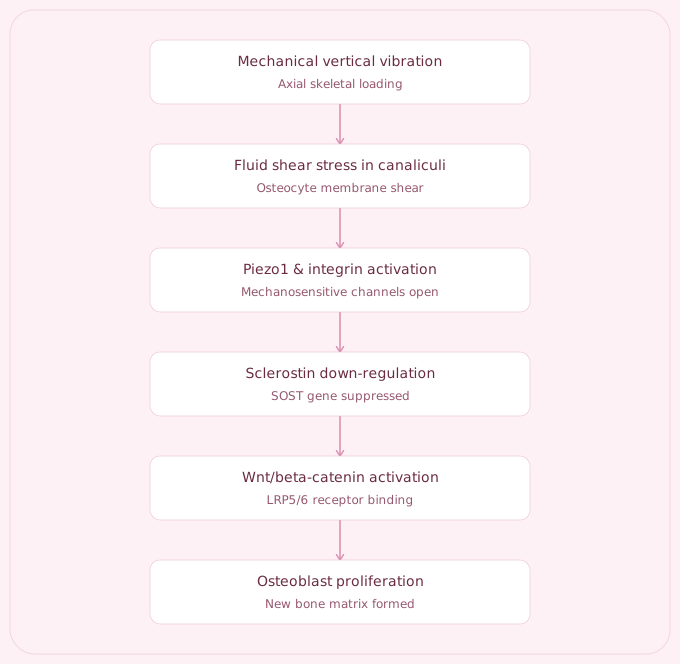
The Transduction Pathway (Bone Density)
Vertical vibration loads the skeleton axially, so the strain reaches bone tissue directly through the joint chain. That load forces interstitial fluid through the lacunar-canalicular network, and the resulting shear stress is what osteocytes actually detect at the cell membrane. Piezo1 channels and integrin-based focal adhesions convert that shear into calcium influx and downstream signaling. The signal suppresses SOST gene expression, so sclerostin production drops and its inhibitory hold on bone formation lifts.
With sclerostin no longer blocking the LRP5/6 co-receptors, Wnt ligands bind freely and stabilize beta-catenin, which moves into the nucleus and activates osteogenic transcription. That drives osteoblast differentiation, proliferation, and new matrix deposition.
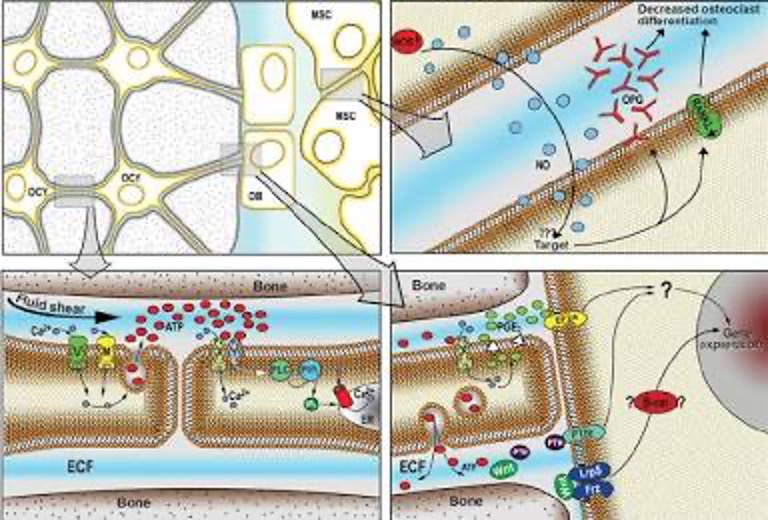
Mechanotransduction in Bone Tissue. Source: ResearchGate
Membrane Activation: Piezo1 Channels and Integrins
The cell membrane of the osteocyte translates fluid shear stress into biochemical signals using specialized mechanical receptors:
Piezo1 Channels: These are specialized, mechanically activated ion channels embedded in the osteocyte membrane. When fluid shear stress deforms the cell membrane, Piezo1 channels instantly open, causing an influx of extracellular calcium (Ca2+) into the cell cytoplasm. This calcium spike acts as the primary intracellular trigger for bone adaptation.
Integrins and Focal Adhesions: Osteocytes anchor themselves to the bone matrix via protein complexes called integrins. Mechanical forces stretch these integrin attachments, directly triggering intracellular signaling cascades without requiring chemical intermediates.
Molecular Modulation: Sclerostin and the Wnt/Beta-Catenin Pathway
The influx of calcium and activation of integrins initiate a critical downstream genetic response: the suppression of the SOST gene, which produces the protein sclerostin.
In a sedentary state, osteocytes continuously secrete sclerostin into the extracellular space. Sclerostin acts as a biological brake on bone growth by binding to LRP5/6 receptors on osteoblasts, preventing bone formation.
When a precise vibration frequency (typically between 30 Hz and 35 Hz, which clinical research indicates is the optimal window for bone and muscle tissue) is introduced, the mechanical signal causes osteocytes to dramatically down-regulate sclerostin production. With the sclerostin brake removed, the Wnt/Beta-catenin signaling pathway (the core genetic highway responsible for telling stem cells to grow into bone) activates within the tissue. Beta-catenin accumulates in the cell cytoplasm, moves into the cell nucleus, and binds to transcription factors that turn on genes responsible for osteoblast proliferation, collagen synthesis, and matrix mineralization. This precise process allows low-magnitude vertical vibration to effectively support bone density without requiring high-impact stress on vulnerable joints.
The Scientific Evidence
Multiple clinical trials have validated the structural efficacy of this therapy:
Postmenopausal Bone Preservation: A landmark study published in the Journal of Bone and Mineral Research evaluated postmenopausal women using whole-body vibration over a 12-month period. The researchers observed a significant, statistically measurable increase in the bone mineral density (BMD) of the hip and lumbar spine compared to the control group, concluding that WBV is an effective non-pharmacological strategy to counteract age-related bone thinning.
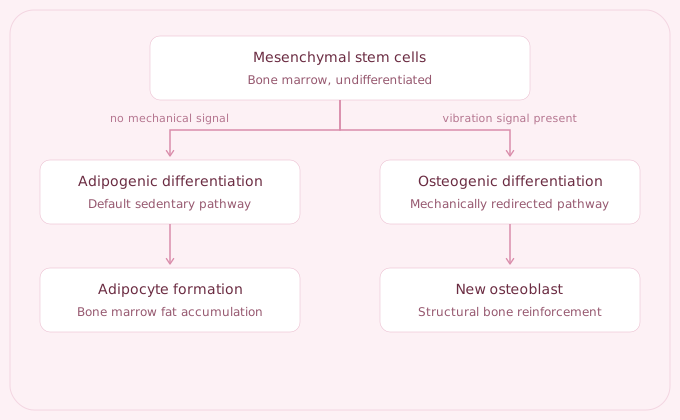
Stem Cell Differentiation: Research highlighted in Endocrinology demonstrates that low-magnitude mechanical signals alter the fate of mesenchymal stem cells (adult stem cells in the bone marrow capable of turning into bone, fat, or cartilage) in the bone marrow. Instead of differentiating into fat cells (adipogenesis), the mechanical vibration directs these stem cells to become new bone cells, structurally reinforcing the skeletal framework from the inside out.
The Hidden Danger in the Gym: Mainstream Plates, Atrial Fibrillation, and Arrhythmia
As whole-body vibration grows in popularity, commercial gyms and fitness centers have rushed to install high-powered vibration platforms. However, many of these mainstream commercial machines present a serious, unpublicized danger to your cardiovascular and neurological systems.
The human body has innate resonant frequencies (the specific, natural musical-like rates at which internal organs swing and vibrate) - baselines at which our internal organs naturally vibrate. If an external machine delivers chaotic, high-magnitude, or multi-directional random forces that clash with these internal frequencies, it creates severe physical stress.
Many common commercial gym machines utilize aggressive, high-amplitude orbital or see-saw rotational movements. Rather than delivering a pure, predictable vertical lift, they violently jar the musculoskeletal and vascular structures.
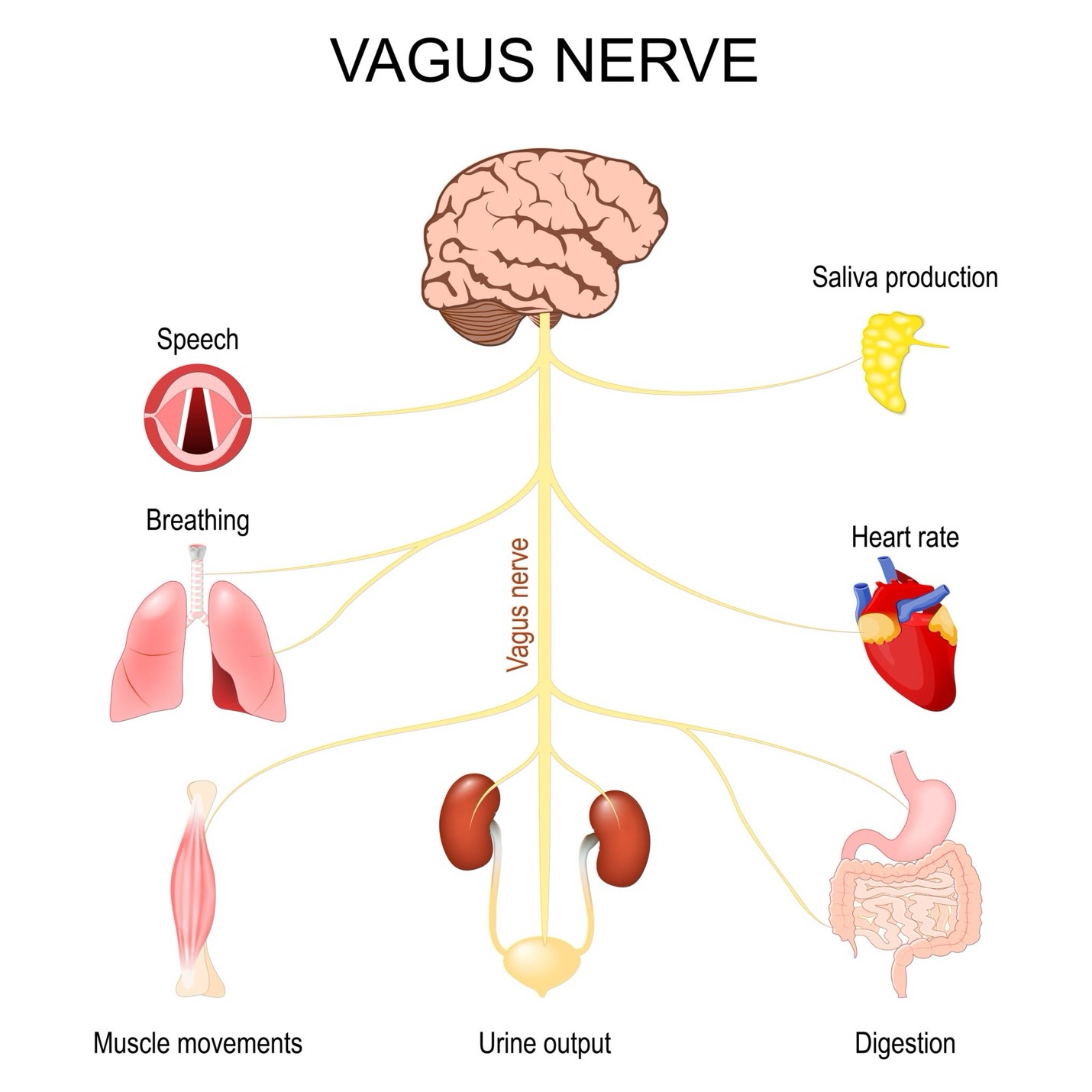
Vagus Nerve Regulation Pathways. Source: ttsz / Getty Images
The Cardiovascular Risk Pathway: The Pathological Progression of Mainstream Plates Risk
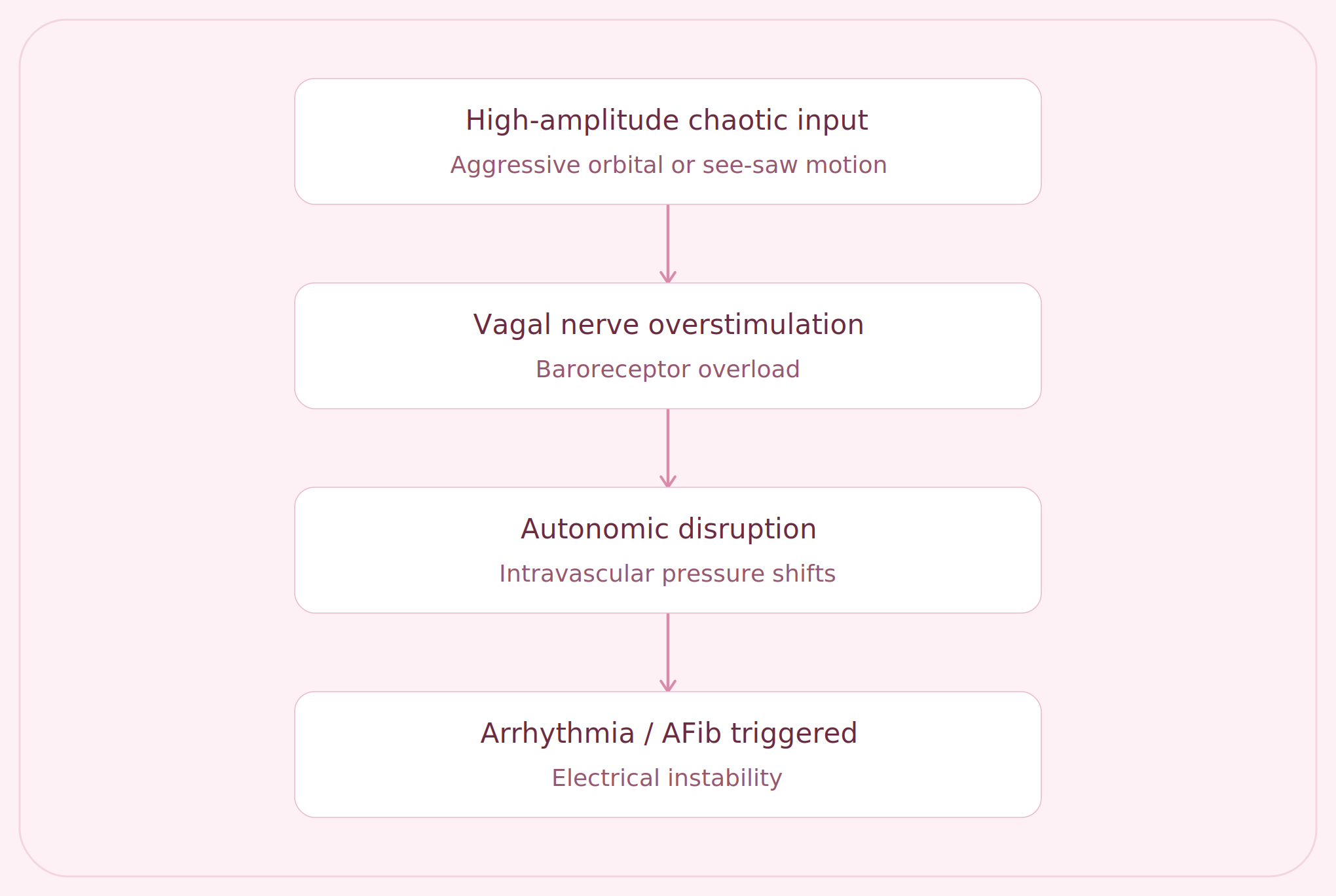
Aggressive, unrefined orbital or see-saw rotational motion violently jars the musculoskeletal and vascular structures. That rapid displacement overstimulates the pressure receptors in the major blood vessels and chest wall, which are the vagal afferents responsible for cardiac autonomic tone. The sudden fluid-pressure shifts throw the autonomic nervous system's regulatory control over the heart into chaos. For vulnerable or highly sensitive systems, that combined electrical and physical instability directly triggers atrial fibrillation or severe palpitations.
This violent, unrefined mechanical impact can overstimulate the mechanoreceptors within the major blood vessels and the chest wall, causing acute disruption to the autonomic nervous system's (the automatic control center that runs involuntary functions like heart rate and digestion) control over the heart. For individuals with underlying, sometimes undiagnosed cardiovascular vulnerabilities, this sudden autonomic instability and rapid fluid-pressure shifting can directly trigger Atrial Fibrillation (AFib), heart palpitations, or severe cardiac arrhythmia. It’s a profound irony that machines designed to promote health are frequently configured in ways that actively dysregulate the delicate electrical rhythms of the cardiovascular system.
Optimal physiological wellness is achieved by providing the nervous and musculoskeletal systems with the precise, targeted stimuli necessary to facilitate endogenous healing, homeostatic regulation, and structural adaptation from within. These self-regulatory mechanisms are bypassed by generic, high-force interventions, which override natural feedback loops and trigger protective stress responses rather than coordinated physiological adaptation. Consequently, when corporate manufacturing prioritizes commercial scalability and profit margins over human biology, the resulting equipment inherently compromises user biomechanics - distributing high-risk, non-specific inputs into fitness environments without regard for long-term systemic consequences.
A Regulated Approach: The Pioneering Work of Becky Chambers
To navigate this landscape safely and effectively, we must turn to experts who prioritize precise, biologically attuned engineering over commercial trends. Becky Chambers, BS, MEd is a natural health practitioner, author, and globally recognized authority who has spent over twenty-five years researching and advancing the therapeutic application of whole-body vibration.

In her definitive guide, Whole Body Vibration: The Future of Good Health (comprehensively updated in its Second Edition), Chambers details how precise, pure vertical vibration can be utilized as a gentle yet highly effective system for structural, immunological, and energetic vitality. Her work emphasizes that therapeutic success depends entirely on using controlled, harmonic frequencies that respect the body's natural physiology.
Clinical Protocols, Safe Applications, and Contradindications
Chambers' work highlights several verified therapeutic applications of precise, high-quality vibration therapy, including:
Arthritis and Pain Mitigation: Rapidly lowers inflammation to reduce overall pain levels, while gently stimulating joint lubrication and reducing local nociceptive (pain-signal transmitting) sensitivity without imposing compressive structural stress.
Neuroendocrine Balance: Supporting healthy detoxification pathways and lymphatic clearance by gently engaging the body’s metabolic systems without causing systemic detox overload.
Building Bone Density: Gentle mechanical loading from a vibration plate signals bones to rebuild, providing a research-backed path to stronger bones without jarring impact.
Promotes a Healthy Weight: Whole-body vibration elevates metabolism, mobilizes the lymphatic system, and engages more muscle fibers than traditional cardio, offering a sustainable path for bodies that struggle with conventional exercise.
Increasing Muscle Strength & Flexibility: Hundreds of involuntary contractions per minute reach muscle fibers that conventional exercise misses, building strength and flexibility at any age.
Anti-Aging & Skin Tone: Enhanced circulation, stimulated collagen production, and improved lymphatic drainage work synergistically to improve tissue vitality from the inside out.
Boosts Mood & Energy: Designed to safely stimulate the brain and nervous system to release endorphins, sharpen focus, and shift the nervous system out of stress mode into a state of regulation and healing.
Myofunctional Therapy Support: Enhancing muscle tone and coordination in the tongue and airway tissues, supporting systemic breathing mechanics and sleep quality.
Whole-Body Wellness: Better sleep, stronger immunity, calmer nervous system, mobilized lymph - wellness is what happens when the whole body finally has the support to repair itself.
For individuals seeking to safely incorporate this modality at home, Chambers specifically recommends two highly stable, precisely engineered systems designed to maximize therapeutic outcomes while completely protecting cardiovascular and neurological health:
Frequency Titration & Dosing Guidelines
When introducing whole-body vibration, Chambers advises starting at the lowest available frequency on your machine to allow the body's tissues and nervous system to acclimate comfortably - which means beginning at 15 Hz for the Ultimate Vibe or 26 Hz for the Power 1000.
From this gentle baseline, users can progressively titrate upward based on their unique therapeutic goals and individual tolerance:
For Skeletal and Muscle Adaptation: A target range of 30 Hz to 35 Hz represents the research-backed sweet spot for stimulating osteoblast activity, suppressing sclerostin, and enhancing muscle fiber engagement.
For Autonomic Nervous System Regulation: To deeply influence neural tone and support central nervous system regulation, working up over time to the upper frequency threshold of your platform - up to 40 Hz on the Ultimate Vibe or 45 Hz on the Power 1000 - often yields the most profound neurobiological response.
Essential Contraindications & Screening
In her work, Chambers emphasizes that while vibration therapy is a potent catalyst for systemic healing, safety and proper screening are paramount.
Standard whole-body vibration carries specific clinical contraindications that must be evaluated prior to use - particularly conditions that clients may not immediately think to report. Standard vibration therapy is contraindicated for individuals navigating:
Acute conditions or injuries: Acute herniated disks, active blood clots, or recent surgical wounds.
Neurological sensitivities: Vertigo, acute migraines, or a history of seizures.
Internal systemic stressors: Large kidney stones or gallstones, advanced cardiovascular conditions, or retinal detachment.
Low-Intensity Vibration (LIV) Nuance
For Low-Intensity Vibration (LIV) - such as operating the Ultimate Vibe on its lowest power setting - there are no contraindications listed by the FDA. However, even with low-intensity inputs, clinical caution and mindful pacing are strongly advised for sensitive or fragile systems. For a comprehensive overview of safety parameters, consult the full list of Whole Body Vibration Contraindications on BC Vibrant Health.
The Integrated Polyvagal & Vibration Protocol
This clinical protocol combines the mechanical proprioceptive input of vertical vibration with the Polyvagal frameworks developed by Deb Dana. It is designed to guide a hypervigilant, disorganized, or mobilizing nervous system into an anchored, integrated ventral vagal state (the neural biological baseline of safety, connection, and social engagement).
Phase 1: Pre-Vibration Autonomic Assessment & Environmental Glimmers
Objective: Establish a baseline neuroception of safety (the nervous system's subconscious scanning for cues of safety versus danger) before introducing mechanical stimulation.
The Practice: Stand adjacent to your vibration plate while it is turned off. Rotate your head and neck slowly, allowing your eyes to naturally scan your space. Identify a single environmental glimmer (a tiny, real-time visual or sensory cue that signals safety to your nervous system). This could be a patch of natural sunlight on the floor, the calm presence of a companion animal, or the steady structure of a nearby plant.
Somatic Savoring: Dedicate 15 seconds to anchor your awareness on this glimmer. Notice how your body registers this safety signal. Track any subtle internal shifts, such as a localized softening in your shoulders, a slight release in your jaw, or a spontaneous, deeper breath.
Phase 2: Proprioceptive Anchoring & Low-Frequency Titration
Objective: Introduce low-intensity vertical input to act as a physical anchor, interrupting cognitive hyper-scanning or default mode network rumination (the brain's automatic loop of repetitive, anxious overthinking).
The Practice: Step onto the platform. While a target frequency like 30 Hz provides optimal results for advanced nervous system regulation, begin at the lowest frequency setting to allow your system to adapt. For duration, start conservatively - 5 minutes if using the Ultimate Vibe, or 1 to 3 minutes for the Power 1000 - and gradually work up to higher frequencies and longer sessions over time. Individual tolerance depends significantly on overall health status; those navigating chronic health challenges or heightened sensitivity can easily overstimulate their system if they accelerate too quickly, while healthier individuals may adapt more rapidly without issue. Keep your feet hip-width apart, soften your knees, and let your arms hang loosely.
Autonomic Anchor: Direct your awareness to the soles of your feet. Feel the rapid, rhythmic, vertical displacement meeting your skin. Instead of resisting the sensation, allow your bone structure to gently absorb the movement.
Vagally Tuned Respiration: Inhale smoothly through your nose for a count of 4, then extend your exhalation through softly pursed lips for a count of 6 to 8. This extended exhalation stimulates the efferent fibers of the vagus nerve (the nerve pathways carrying calming instructions from the brain down to the body), sending inhibitory signals to the sinoatrial node of the heart, slowing your heart rate and stabilizing systemic tone. Maintain this for 2 to 3 minutes.
Phase 3: Somatic Pendulation for Autonomic Mobility
Objective: Build autonomic flexibility (the nervous system's capacity to swing fluidly between stress and calm without getting stuck) by gently shifting your attention between internal activation boundaries and stabilizing mechanical resources.
The Practice: While the machine continues its steady rhythm, deliberately bring to mind a minor, manageable piece of uncertainty or stress from your current life landscape. Keep it small, choosing an aspect that carries a mild quality of tension.
Tracking the Boundary: Spend 10 seconds tracking where that tension lands in your body—perhaps as a slight tightening in the chest or a bracing pattern in the stomach.
Returning to the Resource: Smoothly swing your attention away from that thought and drop your awareness back down into the mechanical vibration humming beneath your feet. Savor the steady, reliable rhythm of the machine, letting it absorb and ground that mobilized energy. Repeat this deliberate pendulum movement (the somatic tracking method of intentionally oscillating between a body stressor and a body resource) 2 to 3 times, reinforcing the neural pathway that returns your system safely to baseline.
Phase 4: Platform Discharge & Complete Stress Release
Objective: Allow your neuromuscular tissue to safely complete stored survival loops, mimicking natural neurogenic tremoring.
The Practice: Gently adjust the frequency, keeping it within the optimal muscle and bone stimulation range of 30 Hz to 35 Hz. Lift your heels slightly, transferring your weight to the balls of your feet, and let your jaw loosen completely.
The Kinetic Release: Allow the vertical mechanical oscillation to gently ripple up through your calves, thighs, psoas, and pelvis. If your body generates a natural impulse to sigh, weep, yawn, or tremble, allow it to move through you without judgment. You are providing your body with the exact physical environment needed to discharge bound survival energy and complete an outstanding stress response loop. Maintain this for 2 to 3 minutes.
Phase 5: Off-Platform Integration & Structural Savoring
Objective: Consolidate the transition from an active state shift to a lasting structural trait using spaced rest and bilateral integration (the process of balancing both hemispheres of the brain through cross-body movement).
The Practice: Turn off the machine and step down slowly onto solid, stable ground. Stand completely still or lie down flat on your back.
The Integration Pause: Place one hand over your heart space and the other on your lower abdomen. Spend 2 full minutes doing absolutely nothing. Avoid the urge to instantly check a device or move into the next task.
Bilateral Integration: Wrap your arms across your chest and begin slow, alternating taps on your opposite shoulders (the Butterfly Hug) for 1 minute.
Somatic Tracking: Notice the contrast in your body now. Track the residual warmth, the altered sensation of gravity, and any newfound spaciousness in your chest or torso. By tracking this shift, pausing in dedicated rest, and applying rhythmic bilateral stimulation, you actively encode the newly regulated, ventral vagal state into your neural biology, helping it become a permanent baseline.
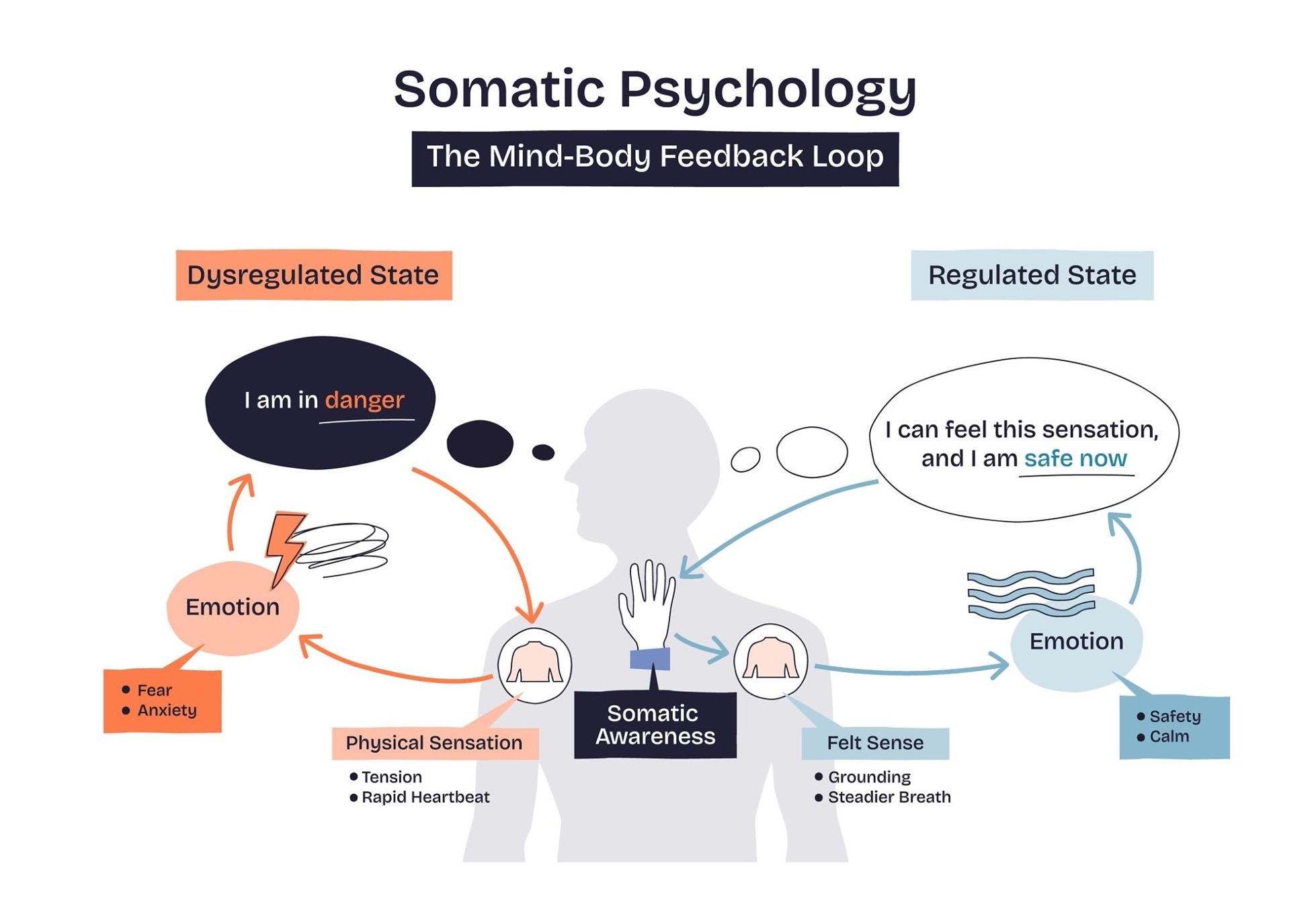
The Somatic Feedback Loop. Source: VectorMine / Getty Images
The Somatic Integration Sequence: Somatic Recovery
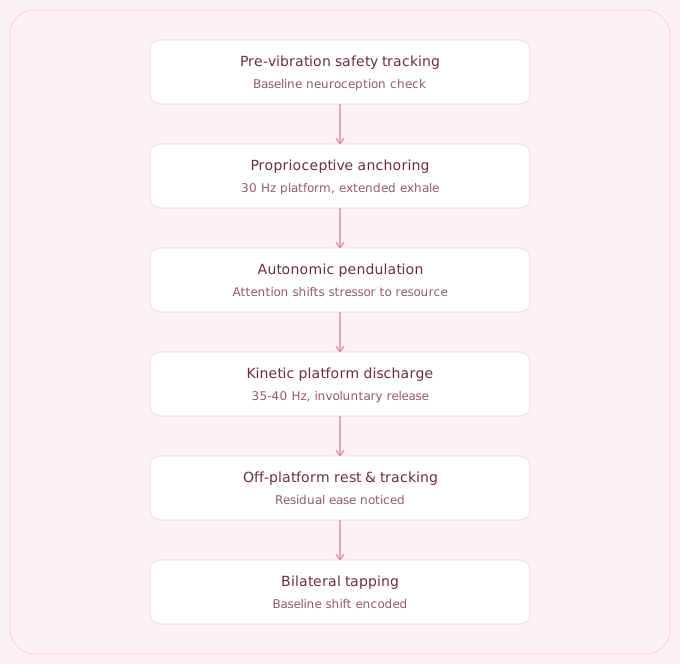
Before the machine turns on, the practitioner locates an environmental glimmer to establish a baseline neuroception of safety. Stepping onto a 30 Hz vertical plate and extending exhalations to 6 to 8 seconds actively stimulates the efferent fibers of the vagus nerve. From there, attention gently swings between a mild life stressor and the steady physical resource of the vibration underfoot, which is the pendulation itself. Shifting weight to the balls of the feet at 35 to 40 Hz lets involuntary sighing, yawning, or tremoring complete the stress loop. Stepping down into unhurried rest allows the residual ease to register, and alternating bilateral tapping encodes that regulated state as a permanent trait rather than a temporary one.
Final Reflections and Transparency
Optimal physiological wellness is achieved by providing the nervous and musculoskeletal systems with the precise, targeted stimuli necessary to facilitate endogenous healing, homeostatic regulation, and structural adaptation from within. These self-regulatory mechanisms are bypassed by generic, high-force interventions, which override natural feedback loops and trigger protective stress responses rather than coordinated physiological adaptation. Consequently, when corporate manufacturing prioritizes commercial scalability and profit margins over human biology, the resulting equipment inherently compromises user biomechanics - distributing high-risk, non-specific inputs into fitness environments without regard for long-term systemic consequences.
Optimal physiological wellness is achieved by providing the nervous and musculoskeletal systems with the precise, targeted stimuli necessary to facilitate endogenous healing, homeostatic regulation, and structural adaptation from within. These self-regulatory mechanisms are bypassed by generic, high-force interventions, which override natural feedback loops and trigger protective stress responses rather than coordinated physiological adaptation.
Affiliate Disclosure: To support our ongoing educational work and community resources, some of the links included in this article are affiliate links. If you choose to explore the specialized systems engineered by Becky Chambers using these links or the community support code AlessaD10, we may receive a minimal commission at no additional cost to you. We only recommend modalities and technologies that meet strict standards of structural safety, scientific validity, and somatic integrity.
Whole Body Vibration: The Future of Good Health
The physical and physiological benefits of whole-body vibration are groundbreaking. By introducing targeted vertical vibration, this technology transforms physical resilience, system detoxification, and nervous system balance.
Deepen Your Integration: Watch the Interview
For individuals who process information more effectively through visual or auditory guidance, a complete video demonstration is available to support your personal integration.
This recorded interview, titled The Future of Good Health: Whole Body Vibration for Body & Mind | Becky Chambers Interview, features Becky Chambers breaking down the direct connection between whole-body vibration technology, somatic grounding, and cellular health. This specific video allows you to see the exact mechanical and physiological principles detailed in the post put into real-world perspective. You can explore the discussion by watching The Future of Good Health: Whole Body Vibration for Body & Mind | Becky Chambers Interview to deepen your integration.
Get support while navigating systemic regulation and structural safety: Gentle Offerings
Join the community: Instagram: @beautifulhumanhealing
Free Meditations on YouTube: @Dexterandalessandrina
