The L. Reuteri Yogurt Face Mask: Skin Microbiome, Barrier Restoration, and What a Homemade Fermented Probiotic Culture Can Do for Your Skin
Why the Same Microbe Rebuilding Your Gut May Also Be One of the Most Underutilized Inputs Your Skin Has Ever Received
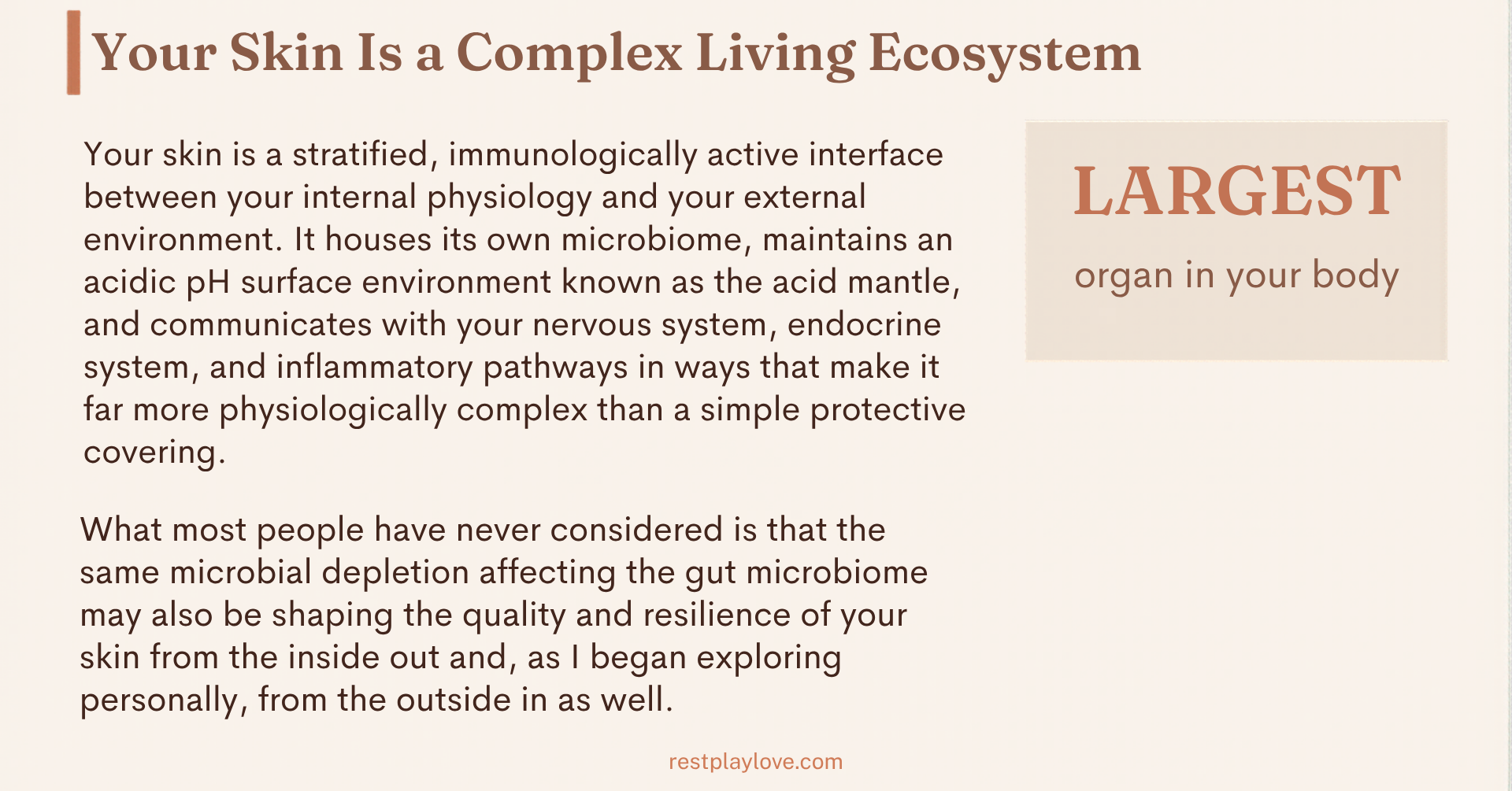
Your Skin Is a Complex Living Ecosystem
Most skin care considerations focus on products, ingredients, and what gets applied topically to improve appearance. Retinol, hyaluronic acid, peptides, vitamin C serums, SPF, collagen creams, all of which are valid and helpful in their own right. The beauty industry is massive and the product landscape is almost impossible to navigate. What rarely gets discussed is the skin itself as a living biological organism with its own microbial community, immune function, barrier architecture, and metabolic activity, all of which are continuously influenced by both external inputs and internal physiological conditions.
Your skin is the largest organ in your body. It’s a stratified, immunologically active interface between your internal physiology and your external environment. It houses its own microbiome, maintains an acidic pH surface environment known as the acid mantle, regulates trans-epidermal water loss, synthesizes vitamin D upon ultraviolet exposure, participates in immune surveillance, and communicates with your nervous system, endocrine system, and inflammatory pathways in ways that make it far more physiologically complex than a simple protective covering surface.
The skin microbiome, much like the gut microbiome, consists of constantly changing microbial communities that play active roles in maintaining barrier integrity, regulating local inflammation, competing against pathogenic organisms, modulating immune activity, and supporting the structural and functional health of the tissue beneath them. When that microbial community is depleted, disrupted, or shifted out of ecological balance, the downstream consequences show up in ways most people attribute entirely to genetics, aging, or inadequate product use.
What most people have never considered is that the same microbial depletion affecting the gut microbiome and contributing to systemic inflammation, dysregulated immune function, and nervous system dysregulation may also be shaping the quality and resilience of your skin from the inside out and, as I began exploring personally, potentially from the outside in as well.
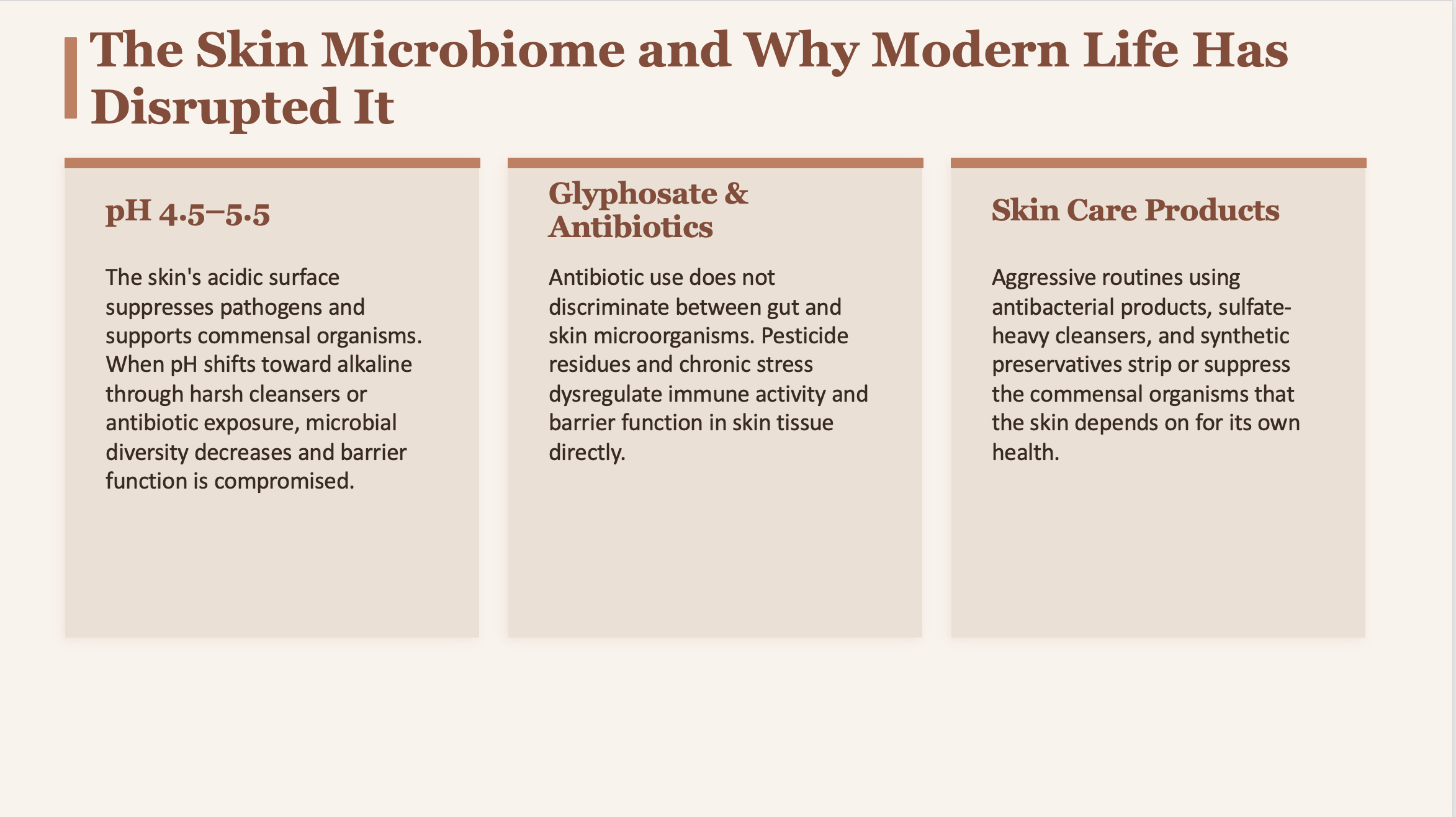
The Skin Microbiome and Why Modern Life Has Disrupted It
Research into the skin microbiome has accelerated significantly over the past decade. The skin is colonized by a diverse community of bacteria, fungi, viruses, and other microorganisms whose composition varies depending on anatomical location, moisture levels, sebum production, pH, and individual factors including genetics, age, lifestyle, and environmental exposures. Dominant bacterial genera include Staphylococcus, Cutibacterium, and Corynebacterium, and a healthy skin microbiome maintains a balance between these and countless other organisms that collectively support barrier function, hydration, and immune regulation.
One of the central regulatory mechanisms of the skin's surface environment is its acidic pH, which typically ranges between 4.5 and 5.5 across most of the body. This acidity supports the growth and proliferation of commensal microorganisms while suppressing pathogenic bacteria and fungi that cannot survive in low-pH environments. It also supports the enzymatic activity of serine proteases involved in desquamation, the natural process by which the skin continuously sheds and renews its outermost layers. When surface pH shifts toward alkalinity, which can occur through repeated use of high-pH cleansers, over-exfoliation, antibiotic exposure, and a range of other modern inputs, microbial diversity decreases, barrier function is compromised, and inflammatory activity increases.
The same forces that have progressively depleted the gut microbiome across industrialized populations have also affected the skin. Antibiotic use doesn’t discriminate between gut microorganisms and skin microorganisms. Glyphosate and pesticide residues in food and water affect microbial populations systemically. Chronic stress and elevated cortisol dysregulate immune activity and barrier function in skin tissue directly. Ultra-processed diets low in fiber and fermented foods reduce the diversity of microbial populations across the body. Aggressive skin care routines using antibacterial products, sulfate-heavy cleansers, and synthetic preservatives strip or suppress the commensal organisms that the skin depends on for its own health.
You should approach skin health the same way you would approach gut health: with attention to what the ecosystem actually needs rather than just what the product industry offers. However, this is not a reason for alarm or for abandoning a good skin care routine.
Why Lactic Acid Bacteria Are Beneficial to Skin Health & Physiology
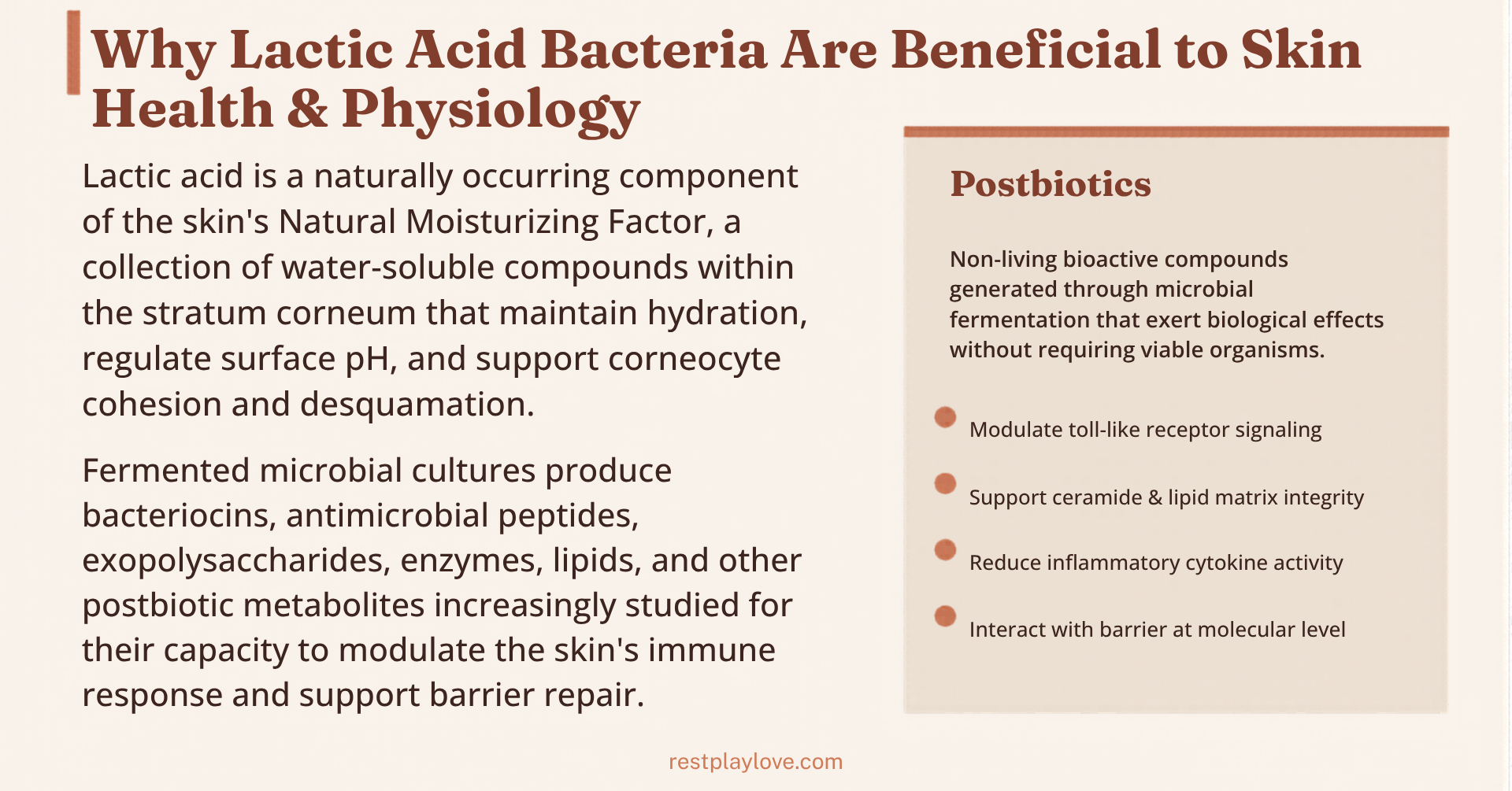
Lactic acid-producing bacteria are among the most well-studied organisms in both gut and skin microbiome research. Within the gut, Lactobacillus species contribute to intestinal barrier integrity, immune regulation, inflammatory modulation, and the production of short-chain fatty acids and postbiotic compounds that influence your physiology at both local and systemic levels. Within the skin, lactic acid-producing organisms and their metabolic byproducts have direct relevance to several key regulatory functions.
Lactic acid itself is a naturally occurring component of the skin's natural moisturizing factor, a collection of water-soluble compounds within the stratum corneum that maintain hydration, regulate surface pH, and support corneocyte cohesion and desquamation. When lactic acid is produced by commensal bacteria on the skin surface or introduced through topical application of fermented substrates, it can support these functions by reinforcing the acidic environment, promoting normal cellular turnover, and contributing to surface hydration through its humectant properties.
Beyond lactic acid, fermented microbial cultures produce a broad range of bioactive compounds including bacteriocins, antimicrobial peptides, exopolysaccharides, enzymes, lipids, and other postbiotic metabolites. These compounds are increasingly studied for their capacity to modulate the skin's immune response, support barrier repair, interact with resident microbial communities, and influence the signaling pathways involved in keratinocyte function and collagen synthesis.
Postbiotics, the term used to describe the non-living bioactive compounds generated through microbial fermentation, are an emerging area within both dermatology and microbiome science. Unlike live probiotics, postbiotics don’t require viable organisms to exert biological effects. They can modulate toll-like receptor signaling on skin immune cells, support ceramide production and lipid matrix integrity, reduce inflammatory cytokine activity, and interact with the skin barrier at a molecular level in ways that a non-fermented topical ingredient simply cannot.
L. Reuteri and What Makes This Strain Particularly Interesting
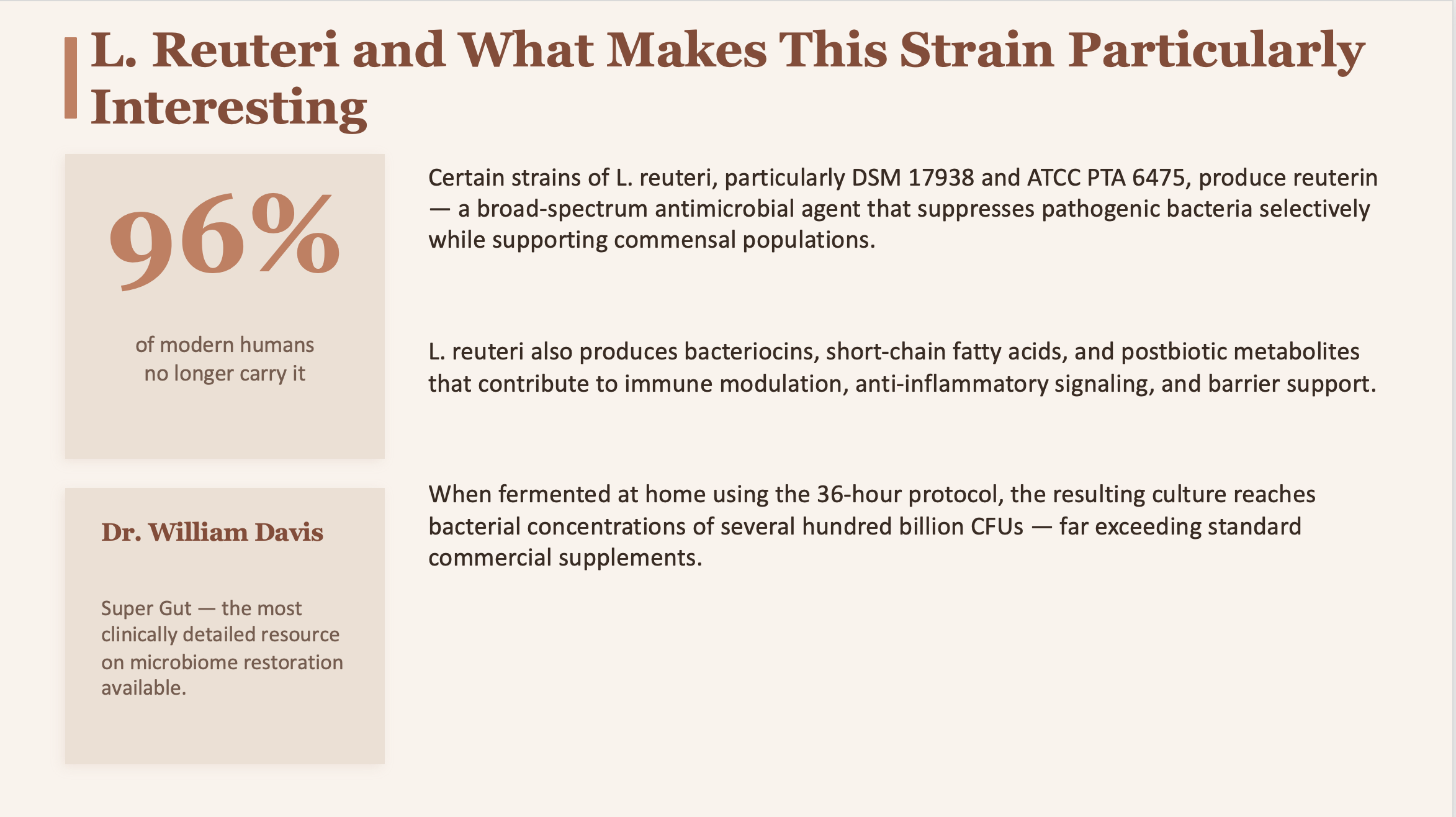
Lactobacillus reuteri is not a strain typically discussed in the context of skin care. Its absence from modern microbiomes and its extraordinary properties have been studied primarily through the lens of gut health, oxytocin production, sleep architecture, immune modulation, and nervous system regulation, work that Dr. William Davis has documented extensively in his clinical research and his book Super Gut [affiliate link], which I return to repeatedly in my writing and recommend as one of the most clinically detailed and practically applicable resources on microbiome restoration currently available.
What makes L. reuteri particularly relevant to this conversation is the specificity of its biological activity. Unlike many probiotic strains that produce relatively generalized fermentation byproducts, certain strains of L. reuteri, particularly DSM 17938 and ATCC PTA 6475, produce a compound called reuterin, a broad-spectrum antimicrobial agent with demonstrated capacity to suppress pathogenic and opportunistic bacteria selectively while supporting commensal microbial populations. L. reuteri also produces bacteriocins, short-chain fatty acids, and other postbiotic metabolites that contribute to immune modulation, anti-inflammatory signaling, and barrier support.
When this strain is fermented at home using the 36-hour protocol I describe in detail in my gut health blog post [internal link to the gut-brain axis post], the resulting culture reaches bacterial concentrations estimated to be several hundred billion CFUs per serving, far exceeding what a standard commercial probiotic supplement delivers and producing a dense matrix of fermentation metabolites that simple supplementation doesn’t replicate.
Within the gut, the effects of consuming this fermented culture at regular intervals include reductions in inflammatory cytokine activity, improvements in intestinal barrier integrity, oxytocin upregulation through vagal afferent signaling, and modulation of the HPA axis. What I began to wonder, and then to test personally, was whether some of those same fermentation byproducts, particularly the postbiotic metabolites, antimicrobial peptides, lactic acid, and lipid fractions from the dairy matrix, might behave meaningfully when applied directly to the skin rather than consumed internally.
The Gut-Skin Axis and Why These Systems Are Intimately Connected
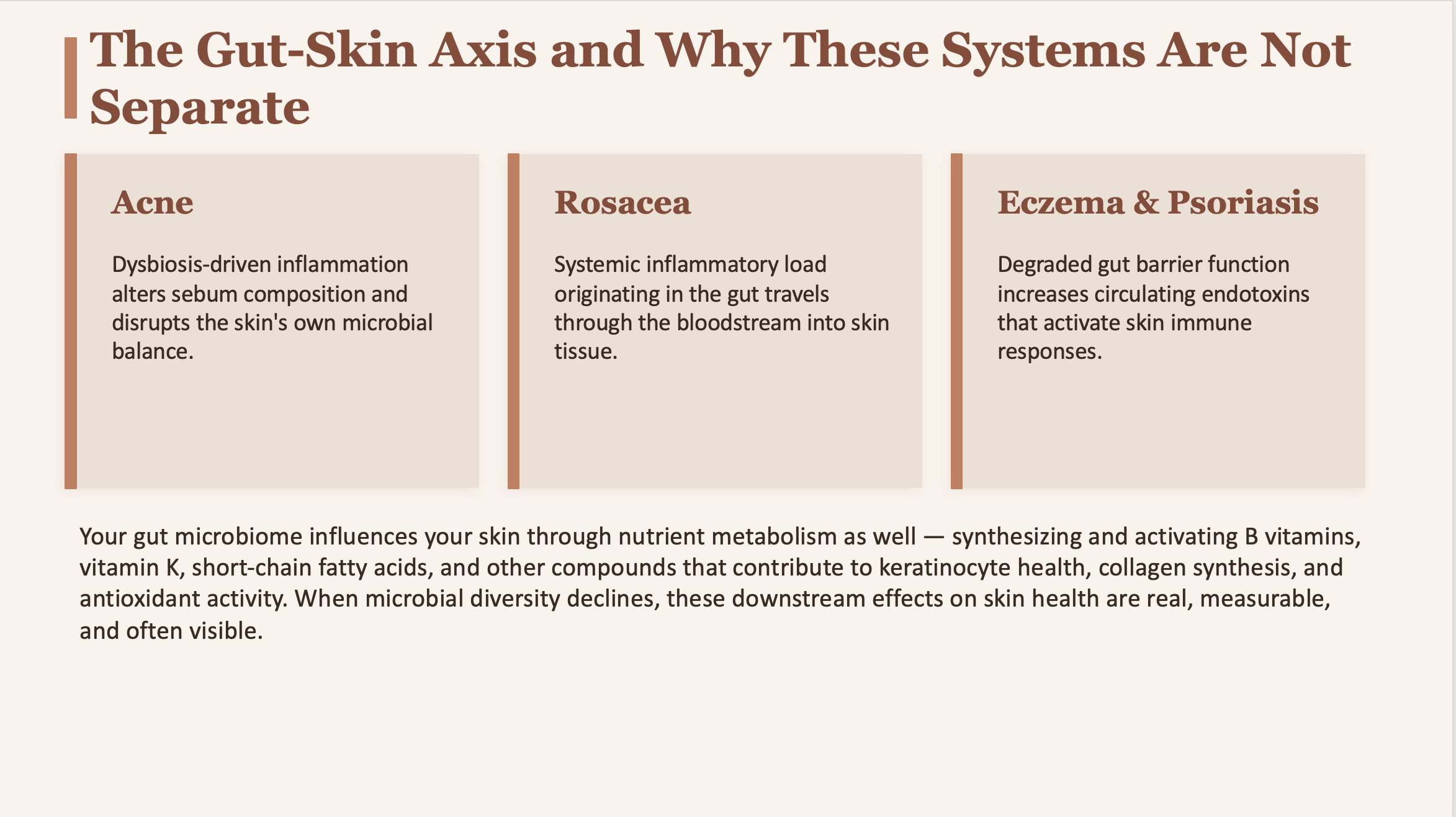
The relationship between gut health and skin health is becoming an established and mainstream concept. The gut-skin axis is a recognized area of research within dermatology and microbiome science that describes the bidirectional relationship between gastrointestinal function, systemic inflammation, microbial composition, and skin physiology and condition.
Clinical observations linking gut dysbiosis to inflammatory skin conditions including acne, rosacea, eczema, psoriasis, and dermatitis have been present in medical literature for decades. What has advanced significantly in recent years is the mechanistic understanding of how these connections operate. Systemic inflammation originating in a compromised gastrointestinal environment travels through the bloodstream, influences immune cell activity throughout the body including within skin tissue, alters sebum composition, disrupts the skin's own microbial balance, and degrades barrier function from the inside outward.
Your gut microbiome influences your skin not only through inflammatory pathways but through nutrient metabolism as well. The gut microbiome plays a direct role in synthesizing and activating B vitamins, vitamin K, short-chain fatty acids, and other compounds that contribute to keratinocyte health, collagen synthesis, antioxidant activity, and the skin's capacity to repair and renew itself. When microbial diversity is reduced and the metabolic output of the microbiome declines, these downstream effects on skin health are substantial, measurable, and often visible.
This is one reason why restoring the gut microbiome through fermented foods, targeted probiotic strains, dietary fiber, and the reduction of inflammatory inputs tends to produce visible improvements in skin quality over time for many people, sometimes within weeks of consistent practice.
What I personally peaked my curiosity was whether the direction of that input might also work in the other direction, not systemically through the gut but also transdermally through the skin barrier itself.
Transdermal Absorption, Skin Permeability, and What the Science Suggests
The skin barrier is selectively permeable. It’s designed to prevent the entry of pathogens, allergens, and large molecular weight compounds while allowing the passage of certain lipid-soluble, low molecular weight molecules. This is the same biological principle that underlies transdermal drug delivery systems, nicotine patches, hormone creams, and topical pharmaceutical applications.
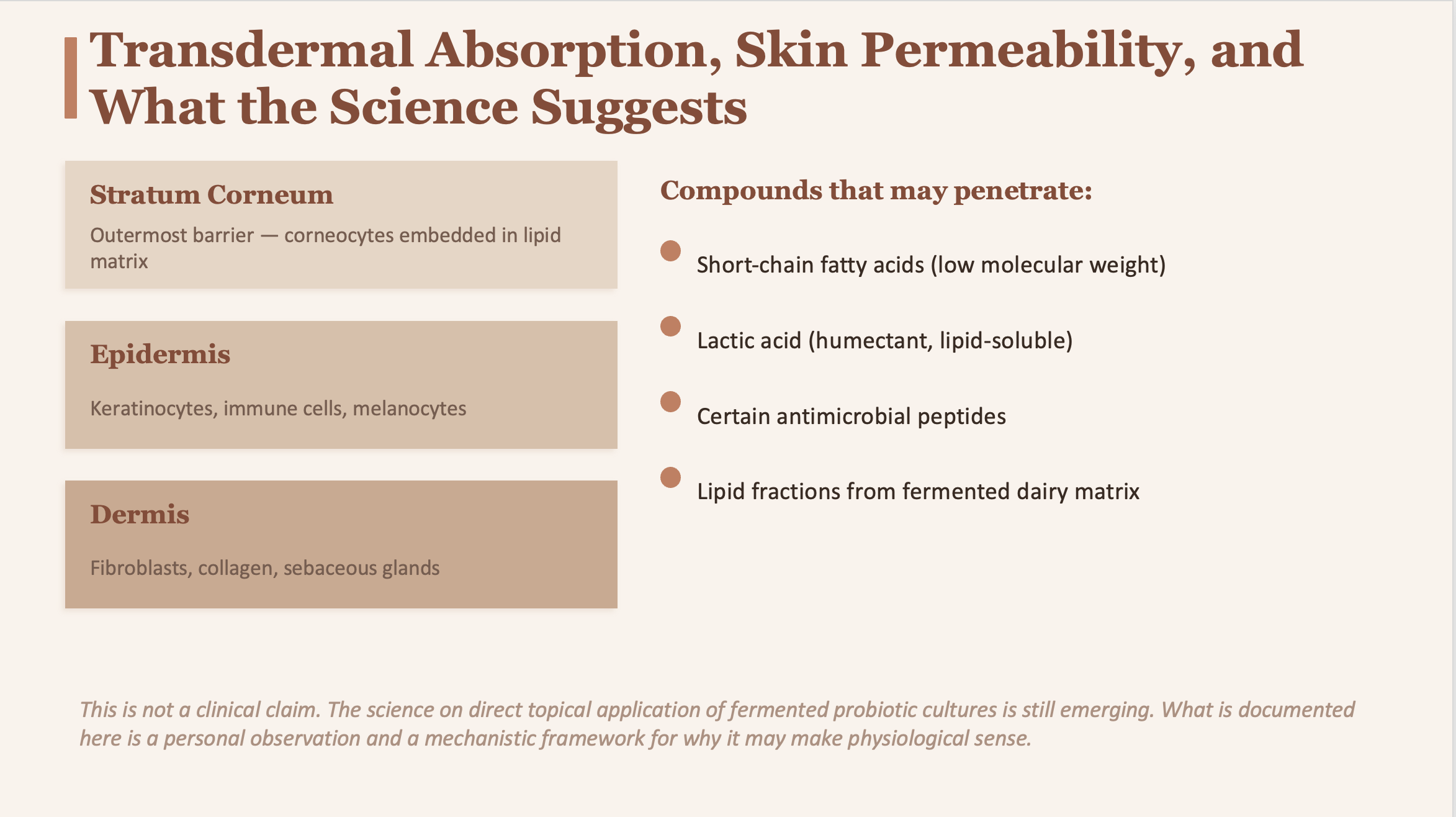
The outer layer of the skin, the stratum corneum, is composed of corneocytes embedded within a lipid matrix of ceramides, fatty acids, and cholesterol. This matrix acts as the primary permeability barrier. Lipid-soluble compounds with sufficiently low molecular weight can pass through this matrix and penetrate into the deeper layers of the skin, where they can interact with keratinocytes, immune cells, sebaceous glands, and dermal fibroblasts.
Fermented dairy cultures contain a range of compounds that may meet some of these permeability criteria. Short-chain fatty acids, lactic acid, certain antimicrobial peptides, and lipid fractions from the fermented matrix are all relatively small molecular weight compounds with lipid solubility characteristics that may allow some degree of skin penetration beyond the stratum corneum surface under conditions of prolonged contact.
When I applied the L. reuteri yogurt culture to my face and allowed it to dry partially and integrate into my skin for approximately twenty minutes, what I observed was that it didn’t behave the way a standard topical product behaves. It was absorbed progressively rather than remaining on the surface as an inert layer. That observation, combined with the known permeability properties of the compounds present in a fermented dairy culture, is what prompted me to look more carefully at what might actually be happening mechanistically.
To be clear, rather than making a clinical claim, the science on direct topical application of fermented probiotic cultures to the skin is still emerging and most of what exists relates to fermented lysates and postbiotic ingredients in formulated cosmetic products rather than raw fermented home cultures. What I am documenting is a personal observation, a mechanistic framework for understanding why that observation might make physiological sense, and an invitation for your own exploration.
Real-World Observations and the Science Behind Them
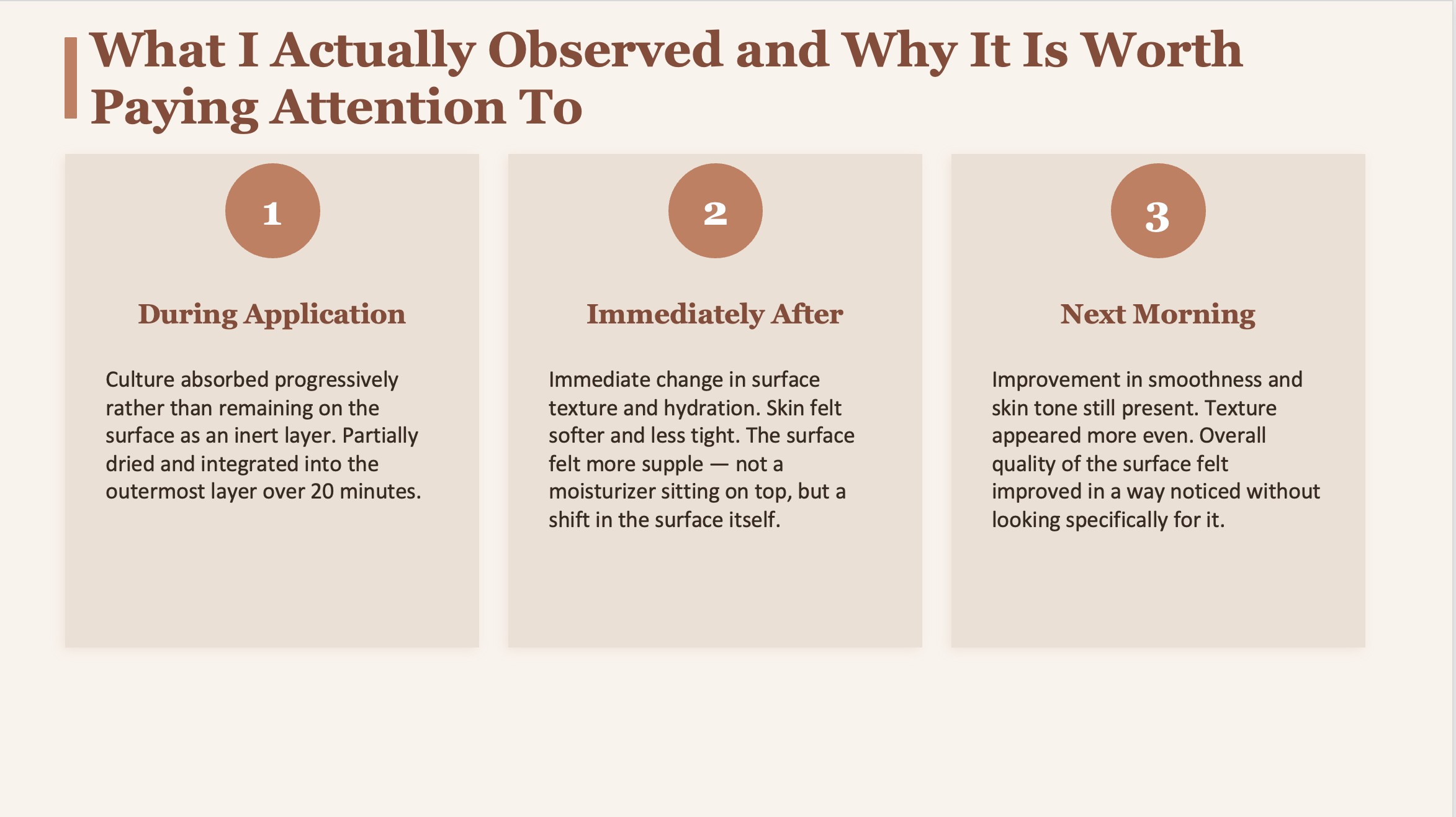
I applied a homemade 36-hour L. reuteri fermented culture directly to my facial skin and left it on for approximately twenty minutes. I allowed it to partially dry and integrate rather than keeping it wet throughout the application period.
Upon removal, I noticed an immediate change in surface texture and hydration. My skin felt softer and less tight than it usually does after standard cleansing. The surface felt more supple and the visible dryness and texture irregularities that are present under normal circumstances were reduced. This was not the feeling of a moisturizer sitting on top of the skin. It felt more like a shift in the surface itself.
The following morning the improvement in smoothness and skin tone was still present. Texture appeared more even and the overall quality of the surface felt improved in a way that I noticed without looking specifically for it.
Several non-exclusive mechanisms could account for these observations. Lactic acid from the fermentation may have influenced surface pH and accelerated desquamation mildly, producing a gentle exfoliation effect that improved surface texture. The lipid fractions from the fermented dairy matrix may have transiently improved stratum corneum hydration and contributed to reducing trans-epidermal water loss during the application period. Postbiotic metabolites may have interacted with the skin's resident microbial ecology and barrier signaling. The partial occlusion from the fermented matrix during the application window may have allowed surface hydration to accumulate beneath the drying layer.
What I find scientifically interesting is not any single one of these mechanisms but the convergence of multiple physiologically plausible pathways acting simultaneously through a single fermented substrate. Most conventional skin care products isolate and deliver one or two active compounds. A 36-hour fermented probiotic culture is delivering a complex ecological matrix that the skin may be more prepared to receive and respond to than we currently give it credit for.
How to Make the L. Reuteri Yogurt Culture for Both Gut and Skin Use
The full protocol for making the L. reuteri fermented yogurt is described in detail in my gut-brain axis blog post [link], which I recommend reading for the full clinical and physiological context around this strain and what it does internally. The recipe and supply list are there along with affiliate links for the starter culture, inulin powder, half-and-half, and yogurt maker.
For topical use, you’re using the same fermented culture you would consume for gut support. There’s no need to modify the preparation in any way. The batch you ferment for gut restoration is the same one you can apply to your face as a rejuvenating and anti-aging mask, which makes this a genuinely practical addition to a skin care routine you may already be developing.
As a brief reference:
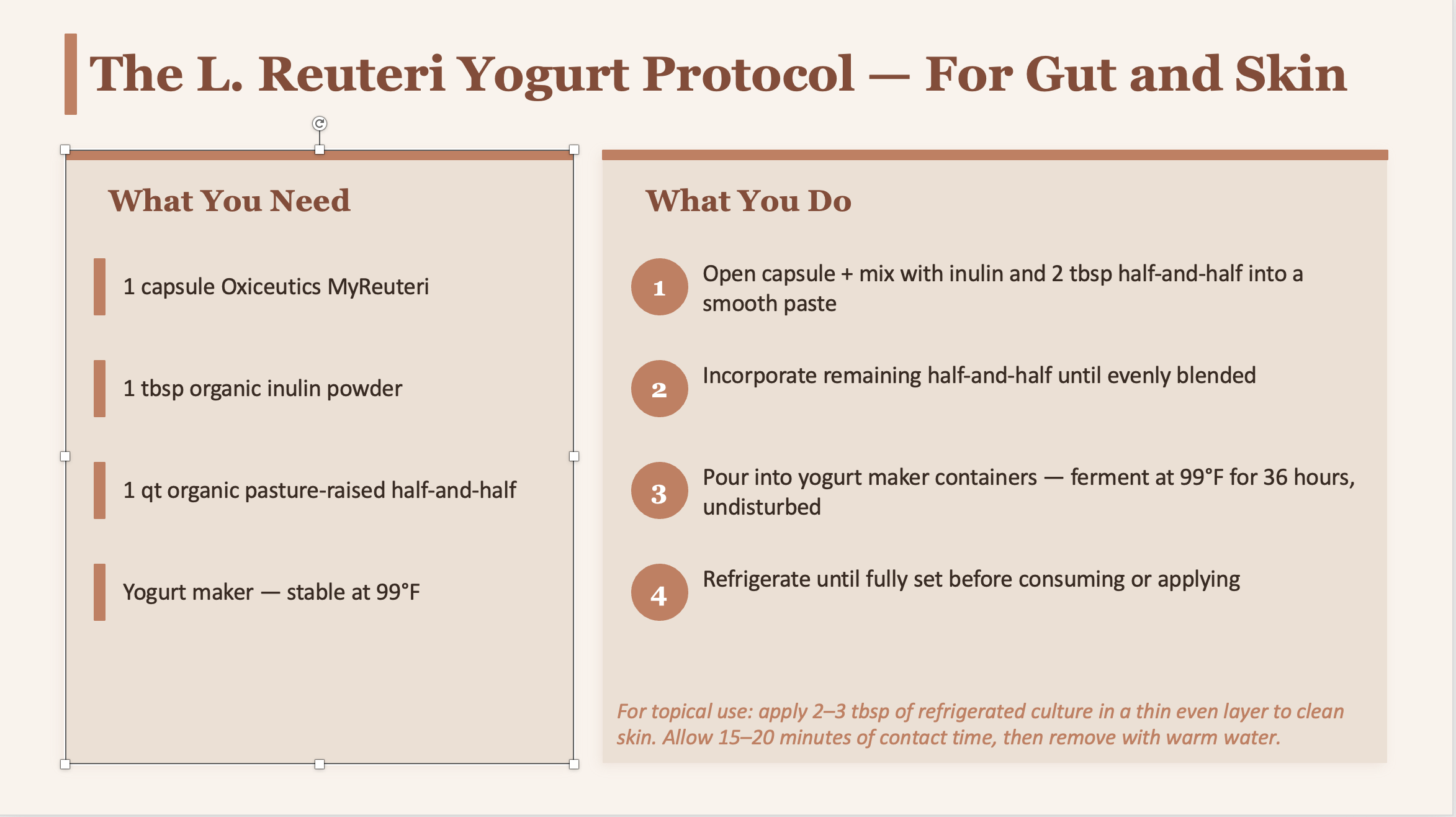
What you need:
1 capsule Oxiceutics MyReuteri [affiliate link]
1 tablespoon organic inulin powder [affiliate link]
1 quart organic pasture-raised half-and-half [affiliate link]
A yogurt maker that holds a stable temperature of 99 degrees Fahrenheit [affiliate link]
What you do: Open the capsule, mix with the inulin and a small amount of the half-and-half into a smooth paste, incorporate the rest of the half-and-half, pour into your yogurt maker containers, and ferment at 99 degrees Fahrenheit for 36 hours without disturbing the process. Refrigerate until set.
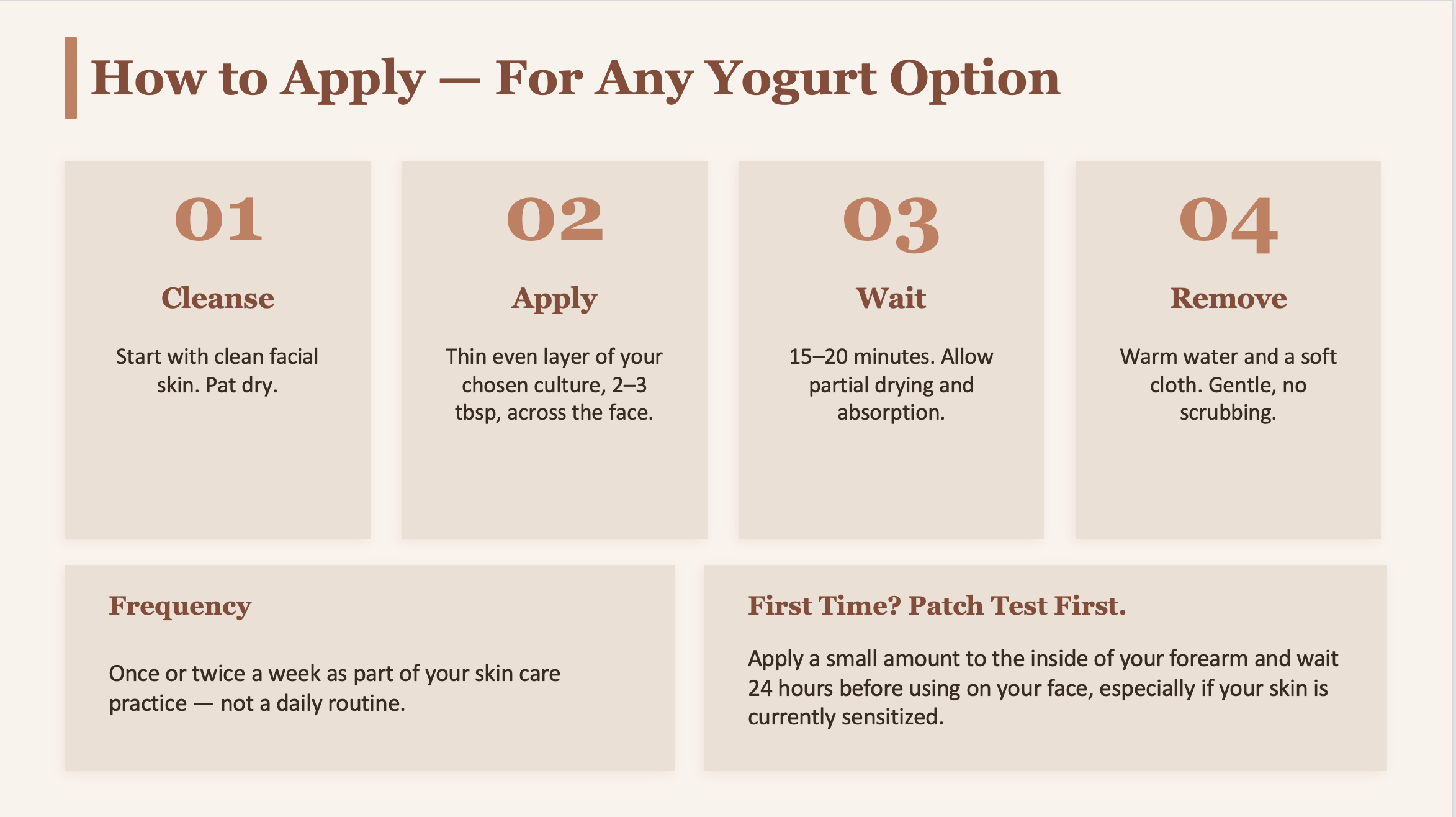
For the face mask application, take a small amount of the refrigerated culture, approximately two to three tablespoons, and apply it in a thin even layer to clean facial skin. Allow it to rest for fifteen to twenty minutes and let it partially dry and absorb rather than rinsing immediately. Remove with warm water and a soft cloth.
I use this once or twice a week as part of my skin care practice rather than as a daily routine.
Three Accessible Alternatives If You’re Not Ready to Make A Homemade Culture
Not everyone is at the point of making a 36-hour fermented culture at home, and that’s a completely reasonable place to be. If you want to begin exploring what a fermented probiotic mask can do for your skin before committing to the full protocol, there are three commercially available yogurt options that can serve as a meaningful starting point. None of them will deliver the bacterial concentration or the specific L. reuteri strains that the homemade culture provides, but all three are lactic acid-producing fermented dairy substrates with live cultures, postbiotic metabolites, lipid fractions, and surface pH properties that make them physiologically relevant as a topical input.
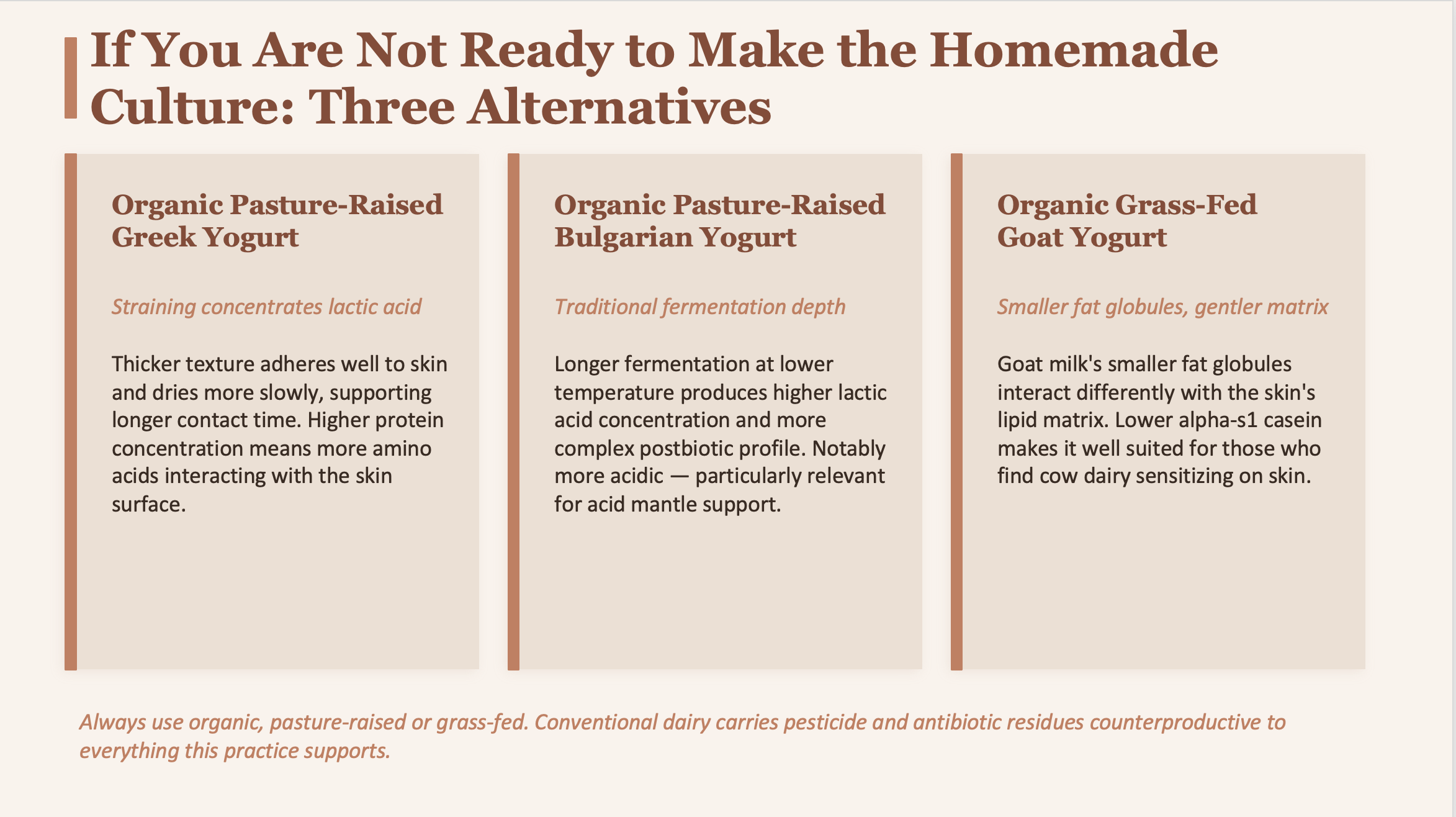
The non-negotiable condition for any of these alternatives is that you’re using organic, and even better pasture-raised or grass-fed versions. Conventional dairy products carry pesticide and antibiotic residues that are counterproductive to everything this practice is trying to support. You’re applying this directly to a permeable biological surface with its own microbial community, and the quality of the substrate matters.
Organic Grass-Fed Goat Yogurt [link]
Goat milk yogurt is structurally different from cow's milk yogurt at a molecular level. The fat globules in goat milk are smaller and more naturally homogenized than those in cow's milk, which affects how the lipid fraction interacts with the skin's own lipid matrix. Goat milk also has a casein protein profile that differs from cow's milk, with lower concentrations of alpha-s1 casein, a protein associated with inflammatory responses in some individuals. For people who find cow dairy sensitizing on the skin, goat yogurt is worth exploring as an alternative that delivers lactic acid, live cultures, and lipid fractions through a matrix that may be better tolerated at the surface level. It also has a naturally lower pH than many commercial cow's milk yogurts, which makes it particularly relevant to the acid mantle support function described earlier in this post.
Organic Pasture-Raised Bulgarian Yogurt [link]
Bulgarian yogurt is one of the oldest and most traditionally made fermented dairy products in existence. It’s produced using a specific combination of Lactobacillus bulgaricus and Streptococcus thermophilus in a ratio and fermentation process that has remained largely unchanged across generations of traditional production. What distinguishes Bulgarian yogurt from most commercial Greek or American-style yogurts is the length and temperature of fermentation, which tend to produce a higher lactic acid concentration and a more complex postbiotic profile. It’s thinner in texture than Greek yogurt but considerably more acidic, and many people who have experimented with both report that Bulgarian yogurt produces a more noticeable surface response, possibly reflecting its higher lactic acid content and greater fermentation depth.
Organic Grass-Fed Greek Yogurt [link]
Greek yogurt is strained, which gives it a thicker consistency and a higher protein concentration than regular yogurt. It typically contains Lactobacillus bulgaricus, Streptococcus thermophilus, and in some products additional Lactobacillus strains. The straining process also concentrates lactic acid content, which makes it slightly more acidifying at the surface level than unstrained alternatives. As a mask, the thicker texture adheres well to the skin and dries more slowly, which may support a longer contact time for its fermentation metabolites. The higher protein content also means a higher concentration of amino acids that can interact with the skin surface, though the extent of transdermal penetration of larger peptide molecules is limited by the stratum corneum barrier.
All three of these alternatives, offered in order of preference for their beneficial profile, are used the same way as the homemade L. reuteri culture for topical application: a thin even layer on clean skin, fifteen to twenty minutes of contact time, partial drying allowed, and removal with warm water and a soft cloth. If you’re using any of these for the first time, you may want to apply a small amount to the inside of your forearm and wait twenty-four hours before using it on your face to ensure you don’t experience any adverse effect, particularly if your skin is currently sensitized or reactive.
The homemade L. reuteri culture remains the most physiologically concentrated and strain-specific option. These alternatives are a meaningful place to begin.
The Collagen Face Mask I Use Alongside It
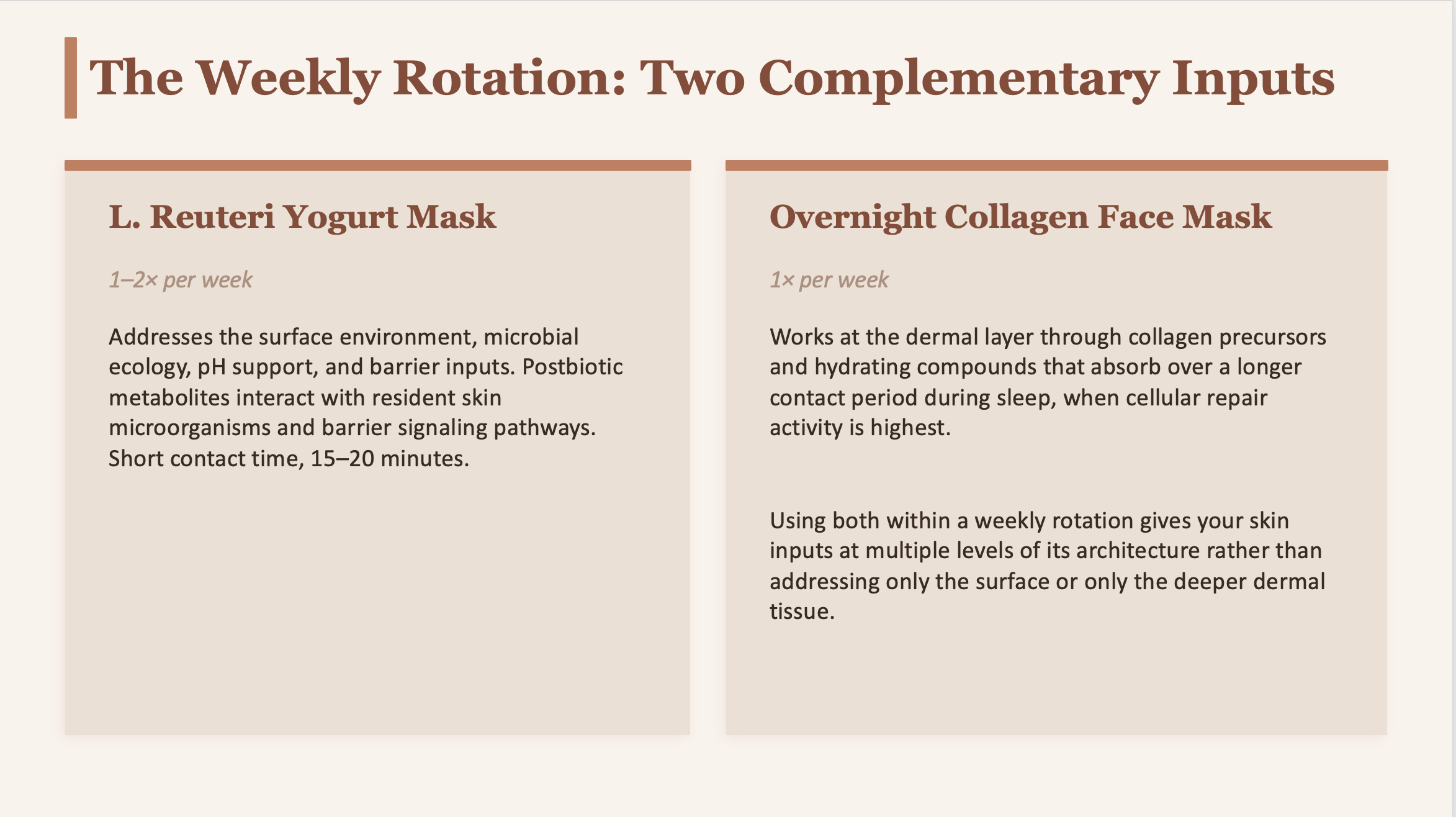
Alongside the L. reuteri yogurt mask, I also use a separate overnight collagen face mask once a week, sometimes more when I do Microneedling with Platelet Rich Plasma (PRP), that I have found meaningfully supportive for skin texture and hydration, particularly for the deeper structural support that the skin needs as we age. Here’s a link for my favorite anti-aging and super hydrating mask [affiliate link]
Where the L. reuteri yogurt mask addresses the surface environment, microbial ecology, pH support, and barrier inputs, the overnight collagen mask works differently and complementarily, supporting the dermal layer through collagen precursors and hydrating compounds that absorb over a longer contact period during sleep (I leave it on for 8-10 hours) when cellular repair activity is highest.
Using both within a weekly rotation gives your skin inputs at multiple levels of its architecture rather than addressing only the surface or only the deeper dermal tissue.
Integrating These Biological Insights Into Your Daily Skin Care Routine
What I find most compelling about this approach to skin care is that it’s not organized around the premise that your skin needs more product. It’s organized around the premise that your skin is a living organism with physiological needs, and that meeting those needs sometimes involves giving it inputs that actually resemble what it evolved to receive.
Your skin microbiome evolved alongside a microbial environment. Fermented substrates, raw foods, natural oils, soil exposure, and microbial contact were part of the ecological context in which human skin developed its current architecture and regulatory functions. The sterile, high-pH, heavily formulated product environment most people apply to their skin daily is extraordinarily new from an evolutionary perspective and in many cases actively disrupts the same systems it claims to support.
That doesn’t mean abandoning skin care or rejecting all formulated products. It means being thoughtful about what you’re actually supporting versus what you’re suppressing or overriding.
Adding a weekly fermented probiotic mask alongside a diet rich in fermented foods, fiber, and anti-inflammatory inputs, combined with gut restoration practices like the L. reuteri yogurt protocol, gives your skin access to influences that address both its external ecology and the internal physiological conditions that shape it.
When your gut is healthier, your skin tends to reflect that over time. When your skin microbiome receives occasional inputs that resemble what it evolved alongside, that too produces responses that simple moisturizers and serums rarely match.
Both of these things can be true simultaneously, offering accessible, inexpensive approaches that are grounded in verifiable biology.
Closing Reflections
Most people who are dissatisfied with their skin are searching for better products when what their skin may actually need is a different framework entirely.
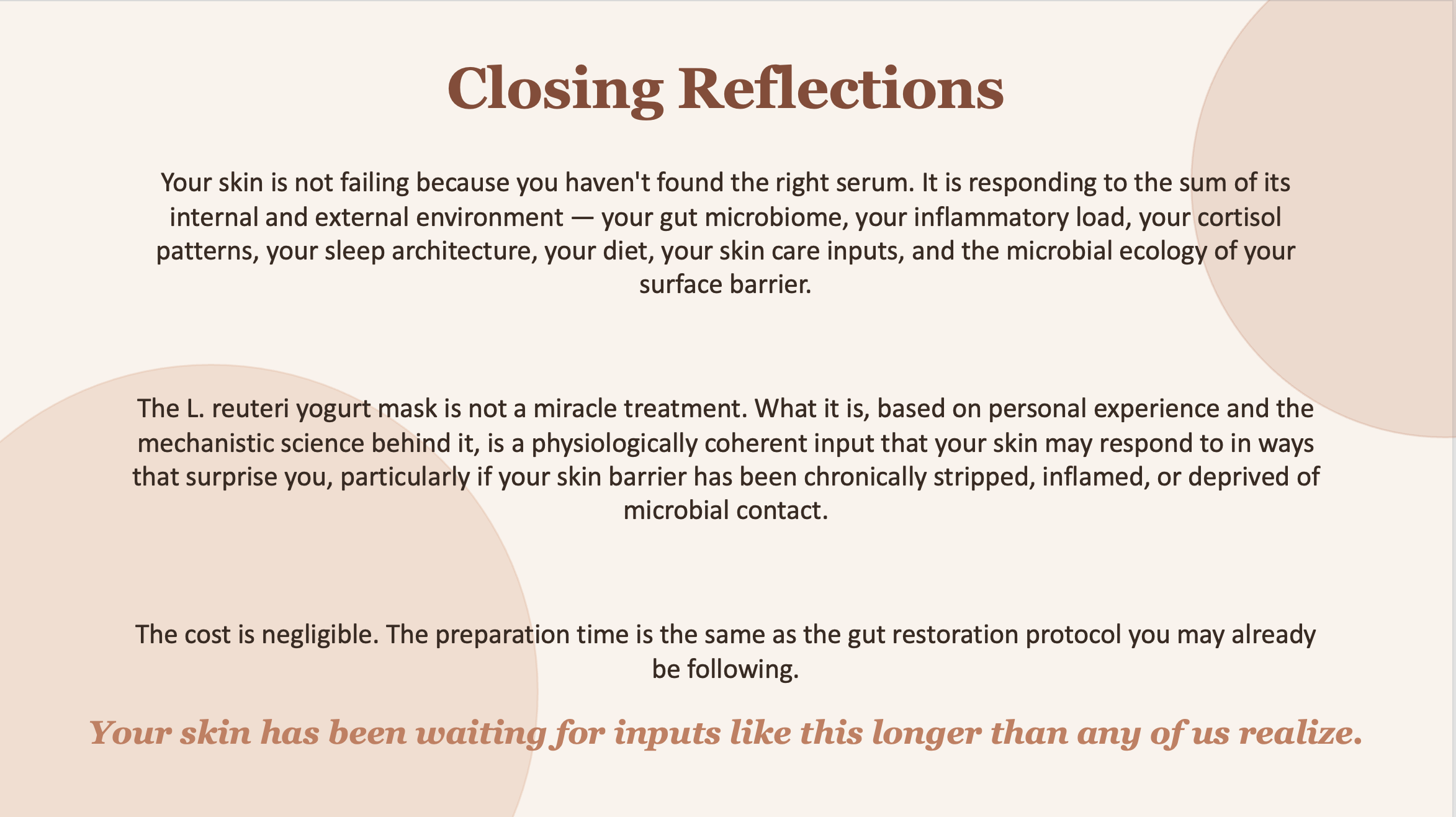
Your skin microbiome is not out of balance simply because you haven't found the right serum. It’s just responding to the sum of its internal and external environment: your gut microbiome, your inflammatory load, your cortisol patterns, your sleep architecture, your diet, your skin care inputs, and the microbial ecology of your surface barrier. All of these are variables you can influence.
Based on my own experience and the mechanistic science behind it, the L. reuteri yogurt mask is a physiologically coherent input that your skin may respond to in ways that surprise you, particularly if your skin barrier has been chronically stripped, inflamed, or deprived of microbial contact.
The cost is negligible. The preparation time is the same as the gut restoration protocol you may already be following. The risk profile is low for most people, with the standard caveat that anyone with significant skin sensitivities, active inflammatory skin conditions, or broken skin should proceed with appropriate caution and ideally consult with a dermatologist or integrative practitioner before introducing fermented cultures topically.
For those of you already making the L. reuteri yogurt at home, this is simply a different use of a probiotic culture you’ve already invested in making. For those of you new to the protocol, the full recipe and supply list can be found in my gut-brain axis post [link]. Start there, make a batch, notice what it does internally, and when you’re ready, try a small amount on your skin and see what you observe.
The skin barrier is evolutionarily adapted to respond to biological inputs like this.
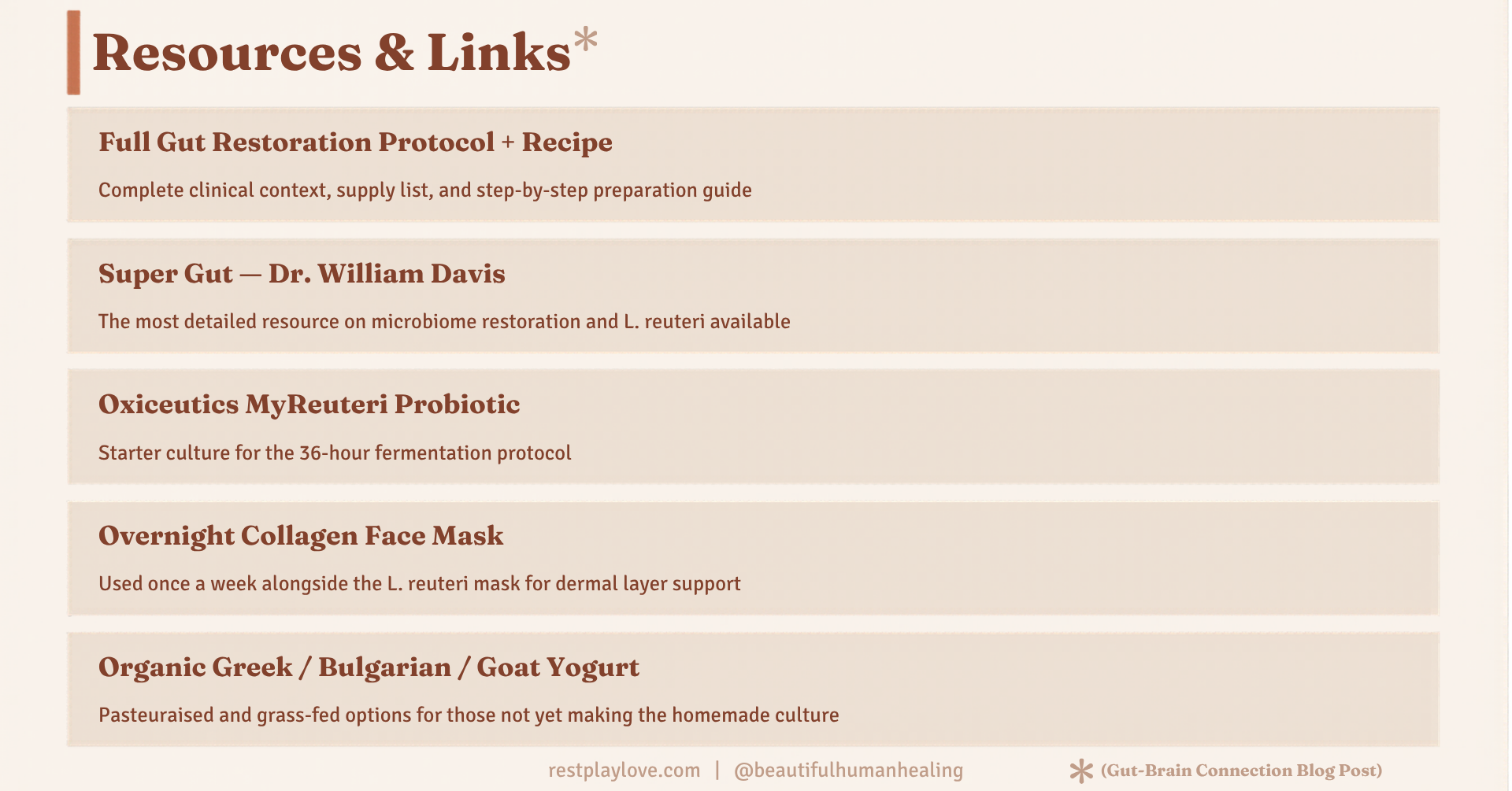
Read the full gut restoration protocol and recipe: [link]
Super Gut by Dr. William Davis: [affiliate link]
Overnight collagen face mask: [affiliate link]
Learn more about working with the gut-brain axis and nervous system health: Gentle Offerings
Join the community: Instagram: @beautifulhumanhealing
Free Meditations on YouTube: @Dexterandalessandrina
